





Executive Summary
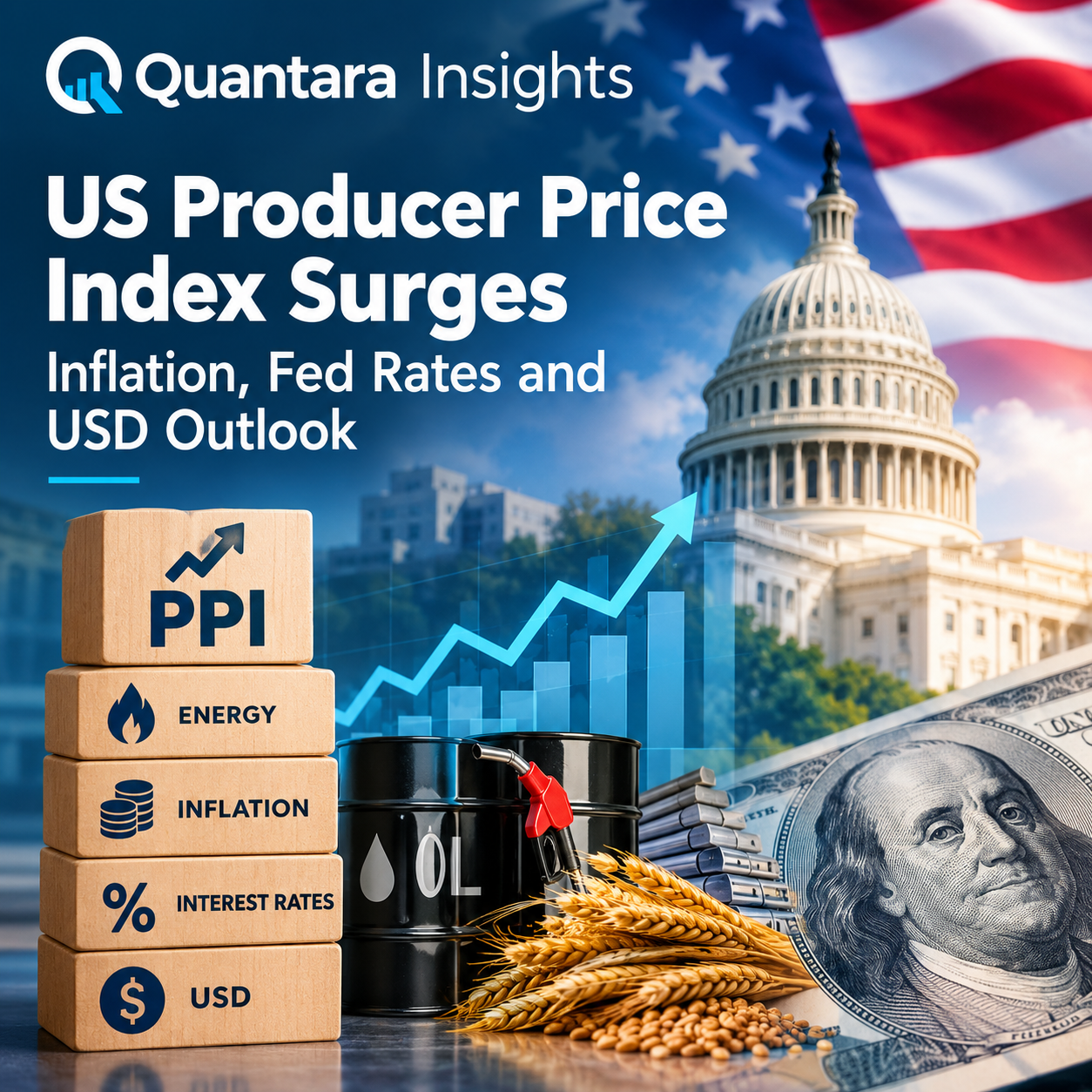
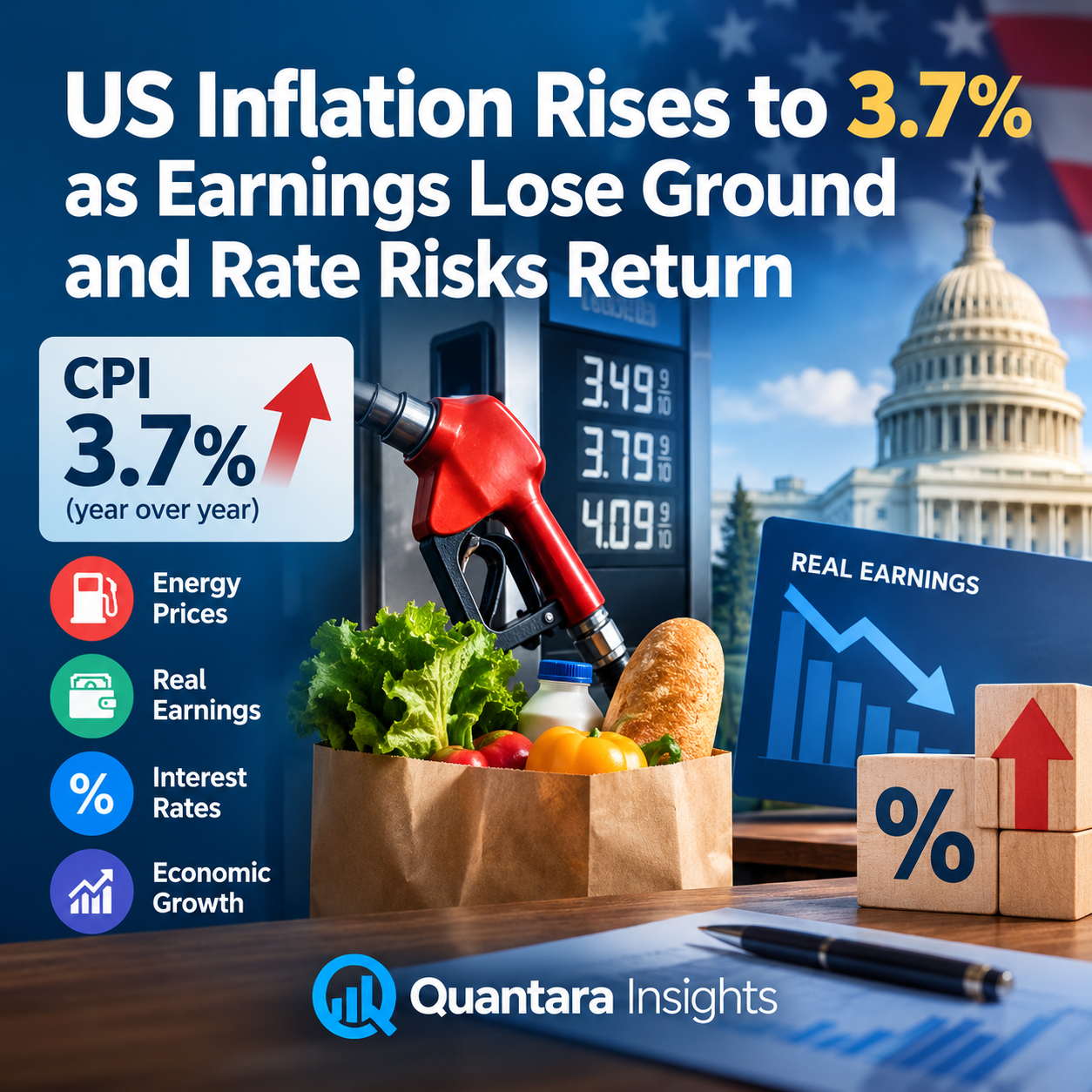
PPI inflation accelerated sharply in May, delivering one of the strongest inflation signals seen in recent years. The latest Producer Price Index report revealed a broad-based increase in prices received by producers, with final demand prices rising significantly on both a monthly and annual basis. While much of the increase was driven by energy costs, the report also showed underlying strength across multiple sectors of the economy.
For investors, policymakers, businesses, and consumers, the implications are substantial. PPI serves as one of the most important leading indicators of future inflation trends because it measures price pressures earlier in the production process. When producers face higher costs, those increases often find their way into consumer prices over time.
The latest PPI data suggests that inflation risks remain elevated despite previous expectations that price pressures would continue moderating. As a result, market participants are increasingly focused on what these developments could mean for future Federal Reserve policy, interest rates, bond yields, equity markets, and the direction of the USD.
This analysis examines the latest PPI report in detail, explores the drivers behind the increase, evaluates the implications for inflation, and assesses the potential impact on financial markets.
Understanding PPI and Why It Matters
The Producer Price Index, commonly referred to as PPI, measures the average change over time in selling prices received by domestic producers for their goods and services. Unlike consumer inflation measures, which track prices paid by households, PPI focuses on prices received by businesses.
Because PPI captures inflation earlier in the supply chain, it is often viewed as a leading indicator for broader inflation trends. Rising producer prices frequently precede increases in consumer prices, making PPI an essential tool for forecasting future inflation developments.
Investors closely monitor PPI because it can influence:
- Inflation expectations
- Federal Reserve policy decisions
- Interest rate forecasts
- Bond market performance
- Equity valuations
- USD strength
When PPI rises faster than expected, markets often interpret the data as a sign that inflation may remain elevated for longer than previously anticipated.

Key Takeaways from the Latest PPI Report
Several important themes emerged from the latest data.
Producer Prices Accelerated Sharply
The most notable development was the strong increase in headline PPI. The report showed a significant monthly increase that exceeded many market expectations.
The annual increase also reached its highest level in several years, suggesting that inflation pressures at the producer level are becoming more persistent.
Energy Was the Primary Driver
Energy prices were the dominant contributor to the increase.
Fuel-related categories recorded particularly strong gains, reflecting ongoing volatility in global energy markets. Higher energy costs tend to have widespread effects because energy is an input for transportation, manufacturing, logistics, and numerous service industries.
As energy costs rise, businesses frequently face pressure to pass those increases on to customers.
Goods Inflation Reaccelerated
The report also highlighted renewed inflation pressure within goods-producing sectors.
Following periods of relative moderation, many goods categories experienced noticeable price increases. This suggests that supply-side inflation risks remain present despite improvements in global supply chains over recent years.
Services Inflation Remains Firm
Although energy attracted most of the attention, services inflation remained elevated.
Services represent a substantial portion of economic activity and tend to be more persistent than goods inflation. Strong services inflation can be particularly challenging for policymakers because it often reflects wage pressures and structural demand trends.
Breaking Down the Components of PPI
Understanding where inflation originates is critical when evaluating the significance of a PPI report.
Final Demand Goods
Final demand goods experienced one of the strongest increases in the report.
Several categories contributed to this rise:
- Energy products
- Petroleum-related products
- Transportation fuels
- Industrial materials
- Certain manufactured goods
The strength in goods prices indicates that inflation pressures are not limited to a single sector.
Businesses across multiple industries appear to be facing higher production costs, increasing the likelihood of broader inflation transmission throughout the economy.
Final Demand Services
Services prices also continued moving higher.
Service-sector inflation has become increasingly important because modern economies are heavily weighted toward services rather than manufacturing.
Key areas contributing to service inflation include:
- Transportation
- Warehousing
- Business services
- Professional services
- Distribution services
Persistent service-sector inflation often proves more difficult to reverse because labor costs represent a large share of expenses.
Trade Services
Trade services experienced mixed performance but remain an important component of the inflation picture.
Trade services measure changes in margins received by wholesalers and retailers rather than the prices of products themselves.
Changes in these margins can provide valuable insights into demand conditions and pricing power throughout the economy.
Energy Prices and Their Inflation Impact
Energy was unquestionably the dominant story in the latest PPI release.
Why Energy Matters So Much
Energy affects nearly every segment of economic activity.
Businesses rely on energy for:
- Manufacturing
- Transportation
- Distribution
- Heating
- Production processes
- Logistics operations
As energy prices increase, production costs rise throughout the supply chain.
Even companies that do not directly produce energy-intensive products often experience secondary cost increases through transportation and supplier expenses.
Inflation Transmission Mechanisms
Energy inflation typically moves through the economy in stages.
Stage One: Producer Costs Rise
Energy producers receive higher prices for fuel and related products.
Stage Two: Business Costs Increase
Manufacturers, distributors, and service providers face higher operating expenses.
Stage Three: Consumer Prices Increase
Businesses eventually attempt to preserve profit margins by increasing prices charged to consumers.
This process explains why PPI often serves as an early warning signal for future consumer inflation.
Potential Persistence of Energy Inflation
One concern arising from the latest report is the possibility that energy inflation could persist.
Several factors may contribute to ongoing pressure:
- Geopolitical uncertainty
- Supply constraints
- Transportation disruptions
- Seasonal demand fluctuations
- Commodity market volatility
If energy prices remain elevated, inflation risks could extend well beyond a single month.
What Rising PPI Means for Inflation
The relationship between PPI and inflation is one of the most closely watched dynamics in economics.
PPI as a Leading Indicator
Historically, substantial increases in PPI have often preceded periods of elevated consumer inflation.
This relationship is not perfect, but the connection is strong enough that economists routinely use PPI data when forecasting inflation trends.
When producers absorb higher costs, inflation transmission remains limited.
However, when businesses pass costs to consumers, broader inflation tends to accelerate.
The Current Inflation Environment
The current environment is particularly interesting because inflation had been showing signs of moderation in previous periods.
The latest PPI report introduces uncertainty regarding that trend.
Questions now facing markets include:
- Is this a temporary spike?
- Is inflation reaccelerating?
- Will energy prices continue rising?
- How much cost pass-through will occur?
The answers to these questions will likely shape monetary policy expectations over coming months.
Core Inflation Considerations
Although headline inflation receives the most attention, core measures remain critical.
Core inflation excludes some of the most volatile categories and therefore provides a clearer picture of underlying trends.
The latest data suggests that inflation pressures are not confined exclusively to energy, increasing the importance of monitoring future reports closely.
Supply Chain Implications
Supply chains have played a central role in inflation developments throughout recent years.
Progress Since Earlier Disruptions
Many supply chain challenges that contributed to previous inflation surges have improved significantly.
Shipping delays have eased.
Transportation bottlenecks have diminished.
Production capacity has expanded in many industries.
These improvements helped reduce inflation pressures during earlier periods.
Why Supply Chains Still Matter
Despite progress, supply chains remain vulnerable.
Potential risks include:
- Energy disruptions
- Labor shortages
- Geopolitical conflicts
- Extreme weather events
- Transportation constraints
Any renewed disruptions could amplify the inflation pressures already evident in the latest PPI report.
Business Responses
Businesses are increasingly adopting strategies designed to improve resilience.
Common approaches include:
- Supplier diversification
- Inventory management improvements
- Regional production expansion
- Logistics optimization
- Technology investments
These measures can help mitigate inflation risks, although they cannot eliminate them entirely.
How Markets React to Strong PPI Data
Financial markets pay close attention to PPI because inflation influences virtually every asset class.
Equity Markets
Stocks often react negatively to unexpectedly high inflation data.
Higher inflation can:
- Increase costs
- Reduce profit margins
- Raise borrowing costs
- Lower valuation multiples
However, some sectors may benefit from inflationary environments.
Bond Markets
Bond investors are particularly sensitive to inflation developments.
Higher inflation expectations frequently lead to:
- Higher yields
- Lower bond prices
- Increased volatility
The bond market often serves as an early indicator of changing inflation expectations.
Currency Markets
The USD frequently responds to inflation data through expectations surrounding Federal Reserve policy.
If inflation remains elevated, markets may anticipate tighter monetary policy.
Those expectations can support USD strength relative to other currencies.
Federal Reserve Implications
One of the most important questions arising from the latest PPI report is how policymakers at the Federal Reserve will interpret the data.
The Federal Reserve has spent considerable time attempting to guide inflation back toward its long-term target. While progress has been made compared with peak inflation levels seen previously, the latest PPI figures suggest that inflationary pressures have not fully disappeared.
Why the Federal Reserve Watches PPI
The Federal Reserve monitors multiple inflation indicators, including:
- Consumer Price Index (CPI)
- Producer Price Index (PPI)
- Personal Consumption Expenditures (PCE)
- Wage growth metrics
- Employment data
While CPI often receives more media attention, PPI can provide an early indication of future inflation trends before they appear in consumer-focused measures.
A sustained increase in PPI may signal that businesses are experiencing rising input costs that could eventually be passed on to consumers.
Potential Policy Responses
If future reports confirm the inflation pressures evident in the latest PPI release, policymakers could consider several approaches:
Maintaining Higher Interest Rates
The most likely near-term response would be keeping policy rates elevated for longer than markets previously expected.
Delaying Rate Cuts
Investors have periodically anticipated eventual rate reductions. Strong PPI data may reduce confidence in those expectations.
Monitoring Inflation Expectations
Perhaps most importantly, the Federal Reserve will be focused on ensuring inflation expectations remain anchored.
Once businesses and consumers begin expecting persistently higher inflation, controlling inflation becomes substantially more difficult.
What Markets Are Watching
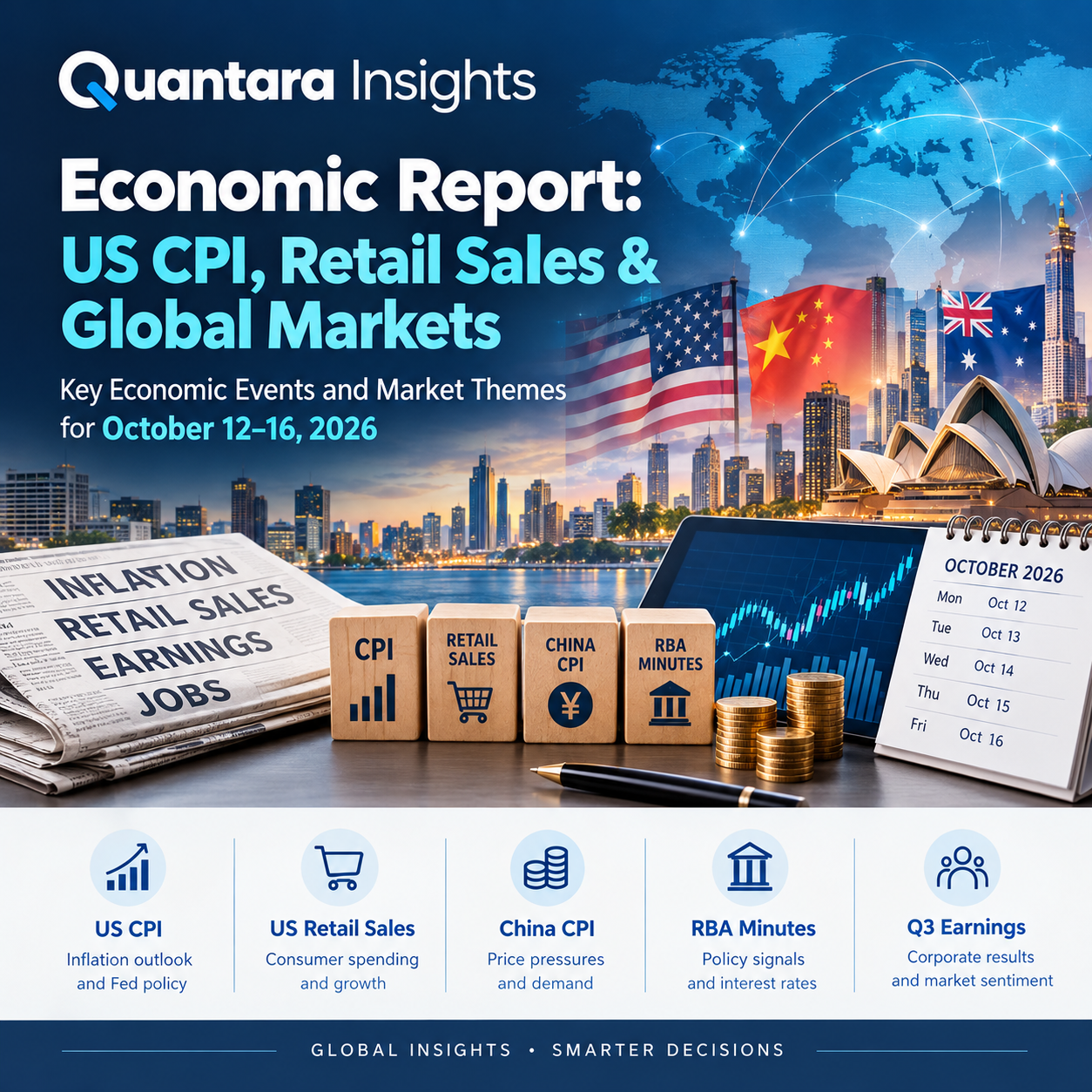
Investors will closely monitor upcoming:
- CPI releases
- Employment reports
- Retail sales data
- Consumer spending figures
- Inflation expectation surveys
The interaction between these indicators and future PPI readings will help determine the direction of monetary policy.
What PPI Means for the USD
The USD remains highly sensitive to inflation data because inflation influences expectations regarding interest rates.
The Interest Rate Connection
Currency markets often focus on relative interest rate expectations.
When inflation rises:
- Central banks may maintain tighter policy
- Interest rates may remain higher
- Bond yields may increase
- Capital flows may favor higher-yielding markets
These dynamics can support the USD.
Bullish Scenario for the USD
If PPI continues rising and inflation proves persistent, investors may conclude that interest rates will remain elevated for longer.
Such an environment would likely provide support for the USD against many major currencies.
Potential beneficiaries could include:
- USD Index positions
- Short-duration Treasury investments
- Dollar-denominated assets
Risks to the USD Outlook
While higher inflation can support a currency through interest-rate expectations, excessive inflation may eventually undermine confidence.
If inflation accelerates significantly without corresponding economic growth, markets may begin focusing on long-term economic risks rather than short-term rate advantages.
For now, however, the latest PPI report appears more supportive than negative for the USD outlook.
Impact on Financial Markets
Equity Market Considerations
Not all sectors react equally to inflation.
Certain industries can benefit from rising prices while others face significant challenges.
Potential Beneficiaries
Energy Companies
Energy producers often benefit directly from higher energy prices.
Revenue and earnings can increase when commodity prices move higher.
Commodity Producers
Mining companies, metals producers, and raw material suppliers may benefit from stronger pricing environments.
Select Financial Institutions
Some financial firms can perform well during periods of elevated interest rates.
Potential Headwinds
Consumer Discretionary Companies
Higher inflation can reduce disposable income and weaken consumer spending.
Interest-Rate Sensitive Growth Stocks
Companies with high future earnings expectations may face valuation pressure when interest rates remain elevated.
Highly Leveraged Businesses
Businesses carrying significant debt may experience increased financing costs.
Sector Analysis: Winners and Losers
Energy Sector
The latest PPI report reinforces the importance of energy within the inflation narrative.
If energy prices remain elevated:
- Revenue growth may accelerate
- Cash flow could improve
- Capital spending may increase
However, energy markets remain highly cyclical and subject to rapid changes.
Industrials
Industrial firms occupy a unique position.
Some companies may benefit from stronger pricing power.
Others may struggle with higher input costs.
The outcome often depends on a firm’s ability to pass costs through to customers.
Consumer Staples
Consumer staple businesses frequently demonstrate resilience during inflationary periods.
Products such as food, beverages, and household necessities tend to maintain demand regardless of economic conditions.
Technology
Technology companies face a more nuanced environment.
Higher interest rates can weigh on valuations, but businesses with strong balance sheets and pricing power may continue performing well.
Investment Considerations
Investors should avoid reacting to a single economic report in isolation.
Instead, the latest PPI release should be viewed within the broader macroeconomic context.
Key Questions for Investors
- Is inflation reaccelerating?
- Are energy prices likely to remain elevated?
- Will future CPI reports confirm the trend?
- How will the Federal Reserve respond?
- What does this mean for interest rates?
The answers to these questions will shape market performance over the coming months.
Portfolio Considerations
Investors may consider focusing on:
- Diversification
- Quality balance sheets
- Strong cash flow generation
- Reasonable valuations
- Inflation-resistant business models
Periods of inflation uncertainty often reward disciplined investment approaches.
Risks Going Forward
Although the latest PPI report is significant, several risks could alter the outlook.
Energy Price Reversal
Energy was the primary driver of the latest increase.
If energy prices decline, inflation pressures could moderate quickly.
Consumer Demand Slowdown
Weakening demand may reduce the ability of businesses to pass higher costs to consumers.
Global Economic Weakness
A slowing global economy could reduce commodity demand and ease inflation pressures.
Supply Chain Improvements
Further improvements in logistics and production capacity could help offset rising costs.
Because these factors remain uncertain, future data releases will be critical.
Frequently Asked Questions
What is PPI?
PPI, or Producer Price Index, measures changes in prices received by producers for goods and services sold within the economy.
Why is PPI important?
PPI is important because it often provides an early indication of future inflation trends before they appear in consumer prices.
How does PPI affect inflation?
Higher producer prices can eventually be passed on to consumers, contributing to broader inflation throughout the economy.
Why did PPI rise so sharply?
The latest increase was driven primarily by higher energy prices, although price increases were observed across multiple sectors.
What does rising PPI mean for the USD?
Rising PPI may support the USD if investors believe inflation will keep interest rates elevated for longer.
How does PPI affect the stock market?
Strong PPI data can create challenges for equities by increasing inflation expectations and raising the likelihood of higher interest rates.
Does PPI always lead CPI?
Not always, but PPI frequently acts as a leading indicator because producer costs often influence future consumer prices.
What should investors watch next?
Investors should monitor upcoming CPI reports, employment data, Federal Reserve communications, and future PPI releases.

Conclusion
PPI inflation surged in May, delivering a powerful reminder that inflation risks remain present within the economy. The sharp increase in producer prices, driven largely by energy costs but supported by broader price pressures, has important implications for inflation, the USD, interest rates, and financial markets.
While a single report does not establish a long-term trend, the strength of the latest data warrants close attention. Businesses continue facing elevated costs, services inflation remains firm, and energy markets remain a significant source of uncertainty.
For policymakers, the report complicates the path toward achieving stable inflation. For investors, it reinforces the importance of monitoring inflation indicators closely and maintaining a disciplined approach to portfolio management.
The coming months will determine whether this PPI surge represents a temporary spike or the beginning of a more persistent inflationary phase. Until then, inflation, the USD, and Federal Reserve policy will remain at the center of market attention.