



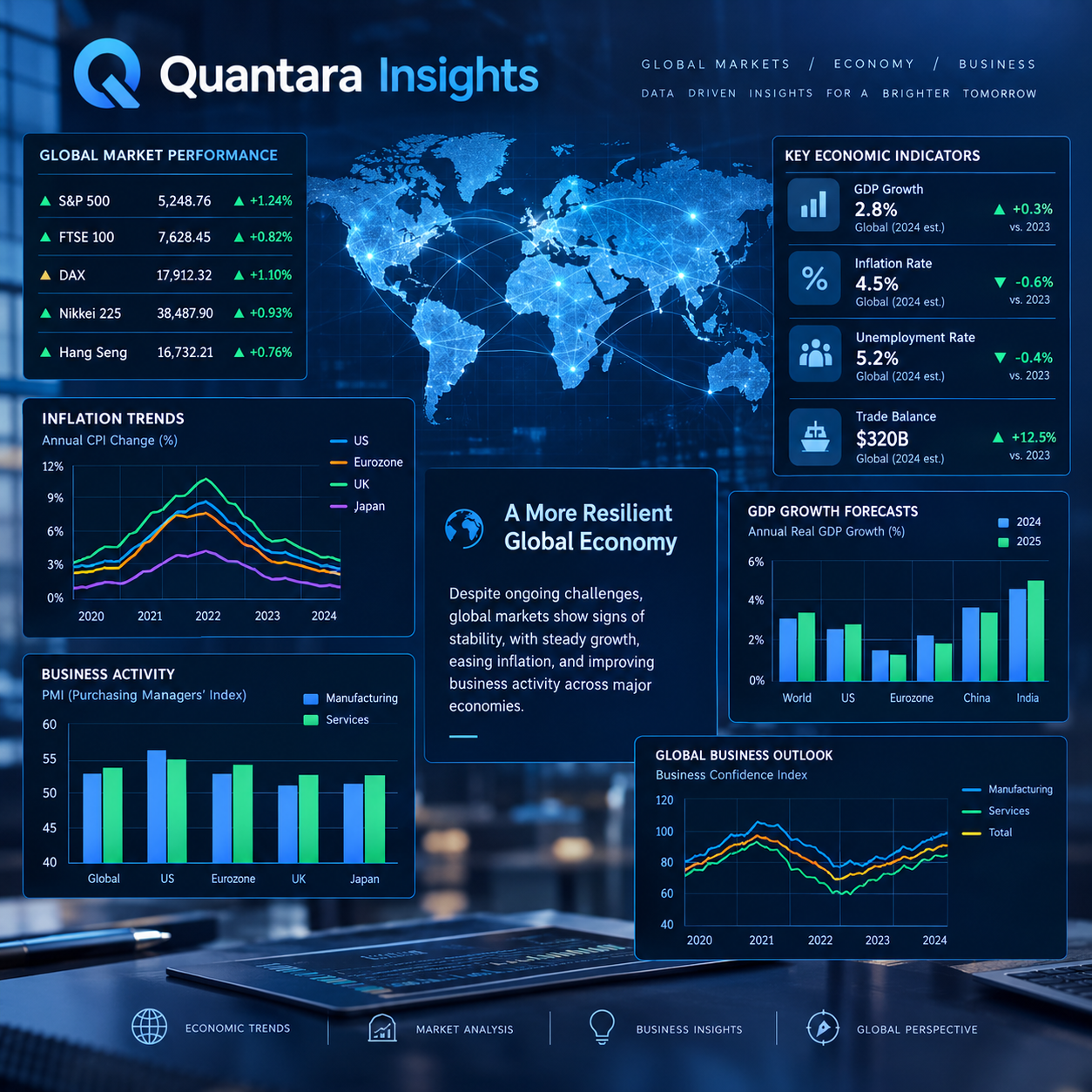





CPI inflation trends remain a central focus for assessing the balance between price stability, earnings performance, and broader economic growth. Recent CPI inflation data indicates a notable increase in price levels, with the Consumer Price Index rising 0.9 percent on a monthly basis and 3.3 percent over the past year . This development highlights a shift in inflation dynamics that continues to influence earnings and growth outcomes across the economy.
At the same time, earnings data reveals a contrasting trend. Real earnings have declined despite nominal wage increases, reflecting the impact of inflation on purchasing power. Real average hourly earnings fell by 0.6 percent over the month , reinforcing the relationship between CPI inflation and real income pressure.
This divergence between CPI inflation and earnings growth provides critical insight into the current economic environment and sets the stage for evaluating future growth trajectories.
Understanding CPI Inflation Trends and Their Economic Significance
CPI inflation serves as a primary indicator of price changes across goods and services consumed by households. The CPI inflation data reflects movements in key components such as energy, food, shelter, and core goods, offering a comprehensive measure of inflation trends.
The latest CPI inflation data shows that energy prices were a major contributor to the monthly increase, rising significantly and driving overall inflation higher . This concentration of inflationary pressure in specific sectors suggests that cost increases are not evenly distributed, which has important implications for earnings and growth.
Inflation trends influence economic growth through multiple channels. Higher inflation can reduce real purchasing power, affect consumer behavior, and alter business investment decisions. When CPI inflation rises faster than earnings, households experience a decline in real income, which can dampen consumption and slow economic growth.
CPI Inflation Data and the Decline in Real Earnings
CPI inflation data directly impacts real earnings by adjusting nominal wages for price changes. While nominal earnings have continued to increase modestly, inflation has outpaced these gains, resulting in a real earnings decline.
Recent data shows that real average weekly earnings decreased by 0.9 percent over the month . This decline reflects both rising CPI inflation and slight reductions in average work hours, highlighting the combined effect of labor market and price dynamics.
The real earnings decline is particularly relevant for understanding consumer behavior. As CPI inflation reduces purchasing power, households may adjust spending patterns, prioritizing essential goods and services while reducing discretionary expenditures. This shift can have broader implications for economic growth, especially in consumption-driven economies.

Inflation and Earnings Dynamics: A Structural Perspective
The relationship between inflation and earnings is not only cyclical but also structural. CPI inflation trends can reflect underlying changes in supply chains, labor markets, and global economic conditions.
For example, the recent increase in energy prices has contributed significantly to inflation, indicating that external factors such as commodity markets and geopolitical developments play a role in shaping CPI inflation data .
At the same time, earnings growth has remained relatively stable in nominal terms, suggesting that wage adjustments may lag behind inflation. This lag can create a period of real earnings compression, during which households experience reduced purchasing power despite nominal wage increases.
Understanding this structural relationship is essential for evaluating long-term growth prospects. Persistent inflation without corresponding earnings growth can lead to sustained pressure on consumption and economic expansion.
CPI Inflation and Its Impact on Consumer Spending
Consumer spending is a key driver of economic growth, and CPI inflation plays a critical role in shaping spending behavior. When inflation rises, the cost of living increases, which can constrain household budgets.
CPI inflation data indicates that certain categories, such as energy and transportation, have experienced significant price increases . These increases can disproportionately affect lower- and middle-income households, which allocate a larger share of their income to essential expenses.
As a result, inflation can lead to a reallocation of spending, with consumers reducing discretionary purchases and focusing on necessities. This shift can impact sectors such as retail, hospitality, and entertainment, potentially slowing overall economic growth.
Earnings Trends and Labor Market Conditions
Earnings trends provide insight into labor market conditions and the distribution of economic gains. While nominal earnings have shown modest growth, the real earnings decline highlights the impact of inflation on workers’ purchasing power.
The labor market remains a key factor in determining earnings growth. Strong employment conditions can support wage increases, but if CPI inflation continues to rise, these gains may not translate into improved real income.
The data shows that production and nonsupervisory employees have experienced a larger decline in real earnings, reflecting differences in wage dynamics across sectors . This disparity can contribute to broader economic inequality and influence consumption patterns.
Inflation Expectations and Economic Growth Outlook
Inflation expectations play a significant role in shaping economic behavior. When businesses and consumers expect higher inflation, they may adjust pricing, wages, and spending decisions accordingly.
CPI inflation trends can influence expectations by signaling the direction of price changes. Sustained increases in CPI inflation may lead to higher inflation expectations, which can become self-reinforcing and affect economic growth.
The growth outlook depends on the balance between inflation and earnings. If inflation stabilizes and earnings growth improves, economic growth may remain resilient. However, if CPI inflation continues to outpace earnings, growth may face downward pressure.
Sectoral Contributions to CPI Inflation
Analyzing sectoral contributions to CPI inflation provides a more detailed understanding of price dynamics. The latest CPI inflation data highlights the significant role of energy prices, particularly gasoline, in driving overall inflation .
Other sectors, such as housing and services, have also contributed to inflation, although to a lesser extent. These sectoral differences are important for assessing the persistence of inflation and its impact on earnings and growth.
For example, energy price increases may be more volatile, while housing-related inflation tends to be more stable and persistent. This distinction can influence the trajectory of CPI inflation and its implications for economic growth.
Policy Implications of CPI Inflation Trends
CPI inflation trends have important implications for monetary and fiscal policy. Policymakers use CPI inflation data to assess price stability and determine appropriate policy responses.
Higher inflation may prompt central banks to adjust interest rates in order to manage price pressures and support economic stability. These policy decisions can, in turn, affect earnings, investment, and growth.
Fiscal policy may also respond to inflation by implementing measures to support households and businesses. For example, targeted subsidies or tax adjustments can help mitigate the impact of inflation on real earnings.
The Relationship Between Inflation and Long-Term Growth
The relationship between inflation and long-term growth is complex and depends on multiple factors. Moderate inflation can support economic growth by encouraging spending and investment, while high inflation can create uncertainty and reduce economic efficiency.
CPI inflation trends provide valuable insight into this relationship. Sustained increases in inflation can erode real earnings and reduce consumer confidence, which may negatively impact long-term growth.
Conversely, stable inflation combined with steady earnings growth can create a favorable environment for economic expansion. This balance is essential for achieving sustainable growth.
CPI Inflation and Global Economic Context
CPI inflation trends are influenced by global economic conditions, including supply chain disruptions, commodity prices, and international trade dynamics.
Global factors can amplify or mitigate domestic inflation pressures, affecting earnings and growth outcomes. For example, increases in global energy prices can contribute to higher CPI inflation, while improvements in supply chains can help reduce inflationary pressures.
Understanding the global context is essential for interpreting CPI inflation data and assessing its implications for economic growth.

Conclusion: CPI Inflation Trends and the Path Forward
CPI inflation trends remain a critical factor in shaping earnings and economic growth. The latest data highlights a period of rising inflation, declining real earnings, and evolving growth dynamics.
The interaction between CPI inflation and earnings will continue to influence consumer behavior, business decisions, and policy responses. Monitoring these trends is essential for understanding the trajectory of economic growth and identifying potential risks and opportunities.
As inflation evolves, the balance between price stability and earnings growth will be a key determinant of economic performance. Ensuring that earnings keep pace with inflation will be critical for sustaining growth and maintaining economic stability.