



Economic report expectations are building rapidly as global markets prepare for one of the most important macroeconomic weeks of the quarter. Investors, traders, economists and central banks are all focused on incoming inflation and consumer activity data that could shape policy expectations into the second half of the year.
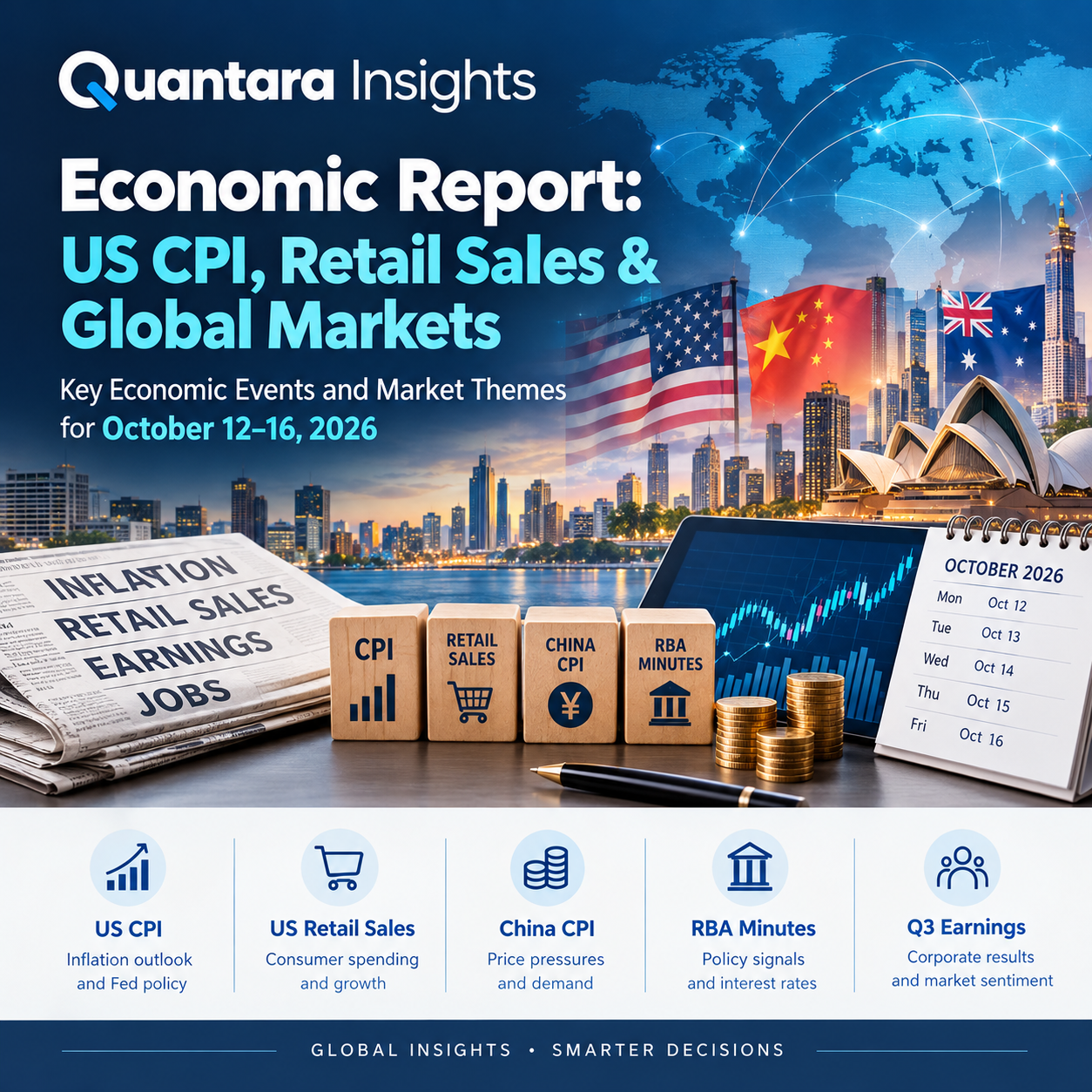
This week’s economic report centers around four critical themes: US CPI, US PPI, US retail sales and Chinese inflation data. In addition, markets are closely monitoring the Bank of Japan Summary of Opinions, OPEC developments and the highly anticipated Trump-Xi meeting in Beijing.
The latest economic report arrives at a sensitive moment for global financial markets. Inflation pressures remain elevated across major economies due to higher energy prices and geopolitical tensions. At the same time, consumer demand has remained surprisingly resilient despite tighter financial conditions and persistent uncertainty surrounding global trade.
For investors, this economic report could redefine expectations for interest rates, equity markets, bond yields, commodities and currencies over the coming months.

Why This Economic Report Matters for Global Markets
The importance of this economic report cannot be overstated. Financial markets have become increasingly sensitive to inflation and growth data because central banks remain highly data dependent.
Several major economies are now balancing three competing risks:
- Persistent inflation
- Slowing economic growth
- Geopolitical uncertainty
The US Federal Reserve, European Central Bank, Bank of Canada and Bank of Japan are all facing difficult policy decisions. Higher energy costs tied to Middle East tensions have complicated inflation forecasts globally. Meanwhile, consumers continue to spend despite elevated borrowing costs.
This economic report will help determine whether inflation pressures are broadening or beginning to stabilize.
The biggest focus points include:
| Event | Importance |
|---|---|
| US CPI | Inflation outlook |
| US PPI | Producer cost pressures |
| US Retail Sales | Consumer strength |
| Chinese CPI/PPI | Global demand signals |
| BoJ SOO | Japanese policy outlook |
| Trump-Xi Meeting | Trade and geopolitical risks |
Markets are expecting elevated volatility throughout the week as each release could materially alter expectations for central bank policy.
US CPI Report Takes Center Stage
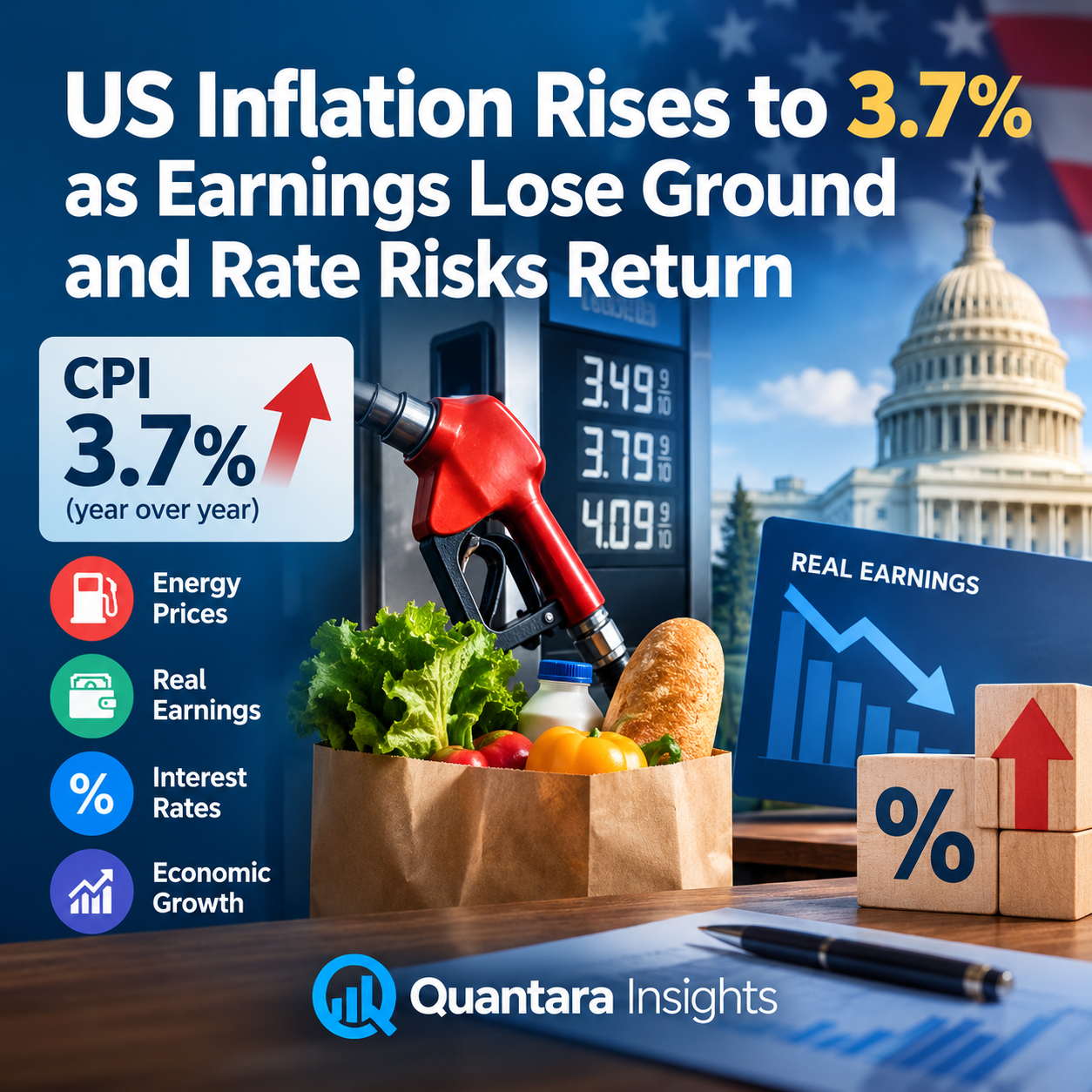
The CPI release is unquestionably the most important event in this economic report.
Economists expect April CPI to rise by 0.6% month-over-month after the previous 0.9% increase. Core CPI is expected to rise by 0.4%.
Annual inflation remains elevated due largely to energy prices, particularly gasoline. March data showed gasoline prices surging more than 21%, contributing significantly to headline inflation.
The Federal Reserve is watching CPI extremely closely because inflation remains above target despite aggressive tightening measures over the past two years.
Why CPI Matters
CPI measures changes in consumer prices across a broad range of goods and services. It is one of the most important inflation indicators globally.
Higher CPI readings can lead to:
- Higher interest rates
- Stronger US dollar
- Pressure on equities
- Higher Treasury yields
- Increased recession concerns
Lower CPI readings can support:
- Stock market rallies
- Lower bond yields
- Rate cut expectations
- Improved consumer sentiment
This economic report arrives at a moment when markets remain divided on whether the Fed will cut rates later this year or remain on hold for longer.
Energy Prices Continue Driving Inflation Risks
One of the biggest themes in this economic report is the role of energy prices in sustaining inflation pressures.
The ongoing Middle East conflict has created substantial volatility in oil markets. Rising crude prices are now feeding directly into:
- Gasoline prices
- Transportation costs
- Manufacturing expenses
- Consumer inflation expectations
The Federal Reserve recently adjusted its inflation language, dropping the phrase “somewhat elevated” and replacing it simply with “elevated.”
That subtle change carried major significance for markets.
It reflected growing concern among policymakers that energy-driven inflation could become more persistent than initially expected.
The Cleveland Fed’s inflation nowcast currently projects annual CPI around 3.56%, well above the Fed’s 2% target.
This economic report could therefore determine whether markets begin pricing additional hawkish policy risks.
US PPI Could Reveal Pipeline Inflation Pressures
While CPI captures consumer inflation, PPI measures inflation at the producer level.
This week’s PPI report is expected to show a 0.4% monthly increase following the previous 0.5% gain.
Producer inflation matters because higher costs at the manufacturing and wholesale level often flow through to consumers later.
Why PPI Matters in This Economic Report
PPI provides insight into:
- Corporate margin pressure
- Input cost inflation
- Supply chain pricing
- Future CPI trends
If PPI remains elevated, markets may conclude that inflation risks are not temporary.
That would reinforce expectations that the Federal Reserve may keep rates higher for longer.
Recent data suggests energy and commodity costs remain the primary inflation drivers globally. Companies across multiple industries continue facing higher transportation and production expenses.
This economic report will therefore provide a clearer picture of whether businesses are successfully absorbing costs or passing them directly to consumers.
Retail Sales Data Could Confirm Consumer Resilience
Another critical component of this economic report is US retail sales.
Consumer spending remains the backbone of the US economy. Strong retail sales would suggest households are continuing to spend despite higher inflation and borrowing costs.
March retail sales rose 1.7%, driven heavily by gasoline spending and resilient discretionary demand.
April expectations remain solid.
Continuum Economics expects:
- Headline retail sales: +0.7%
- Ex-autos: +0.9%
- Ex-autos/gas: +0.5%
What Retail Sales Reveal
Retail sales provide insight into:
- Consumer confidence
- Household spending power
- Economic momentum
- Inflation-adjusted demand
Strong retail sales could support:
- Higher equity valuations
- Continued economic growth forecasts
- Stronger labor market expectations
However, strong spending also risks keeping inflation elevated.
That creates a difficult balancing act for policymakers.
This economic report may therefore reinforce the narrative that the US economy remains surprisingly resilient despite aggressive monetary tightening.
Federal Reserve Faces Increasing Policy Pressure
The Federal Reserve remains at the center of this economic report.
Recent FOMC communications suggest policymakers are becoming increasingly concerned about upside inflation risks.
Three Fed officials recently dissented against including easing language in the policy statement.
That shift matters enormously.
It signals that parts of the Fed now believe inflation risks may require:
- Higher rates for longer
- Delayed rate cuts
- Potentially additional tightening
Markets are also watching political developments surrounding incoming Fed leadership discussions and future policy direction.
The latest CPI and PPI releases could significantly influence those expectations.
Chinese Inflation Data in Focus
China’s CPI and PPI reports are another major part of this economic report.
China’s economy continues facing weak domestic demand despite government stimulus efforts.
Economists expect:
- CPI: 0.8%-1.0%
- Core CPI: 1.1%-1.2%
- PPI: 1.5%-1.9%
The divergence between weak consumer demand and rising producer prices is becoming increasingly important.
Why Chinese Inflation Matters Globally
China remains central to global trade and commodity demand.
Chinese inflation data impacts:
- Commodity markets
- Emerging markets
- Global manufacturing
- Supply chains
- Currency markets
Higher Chinese PPI could signal stronger industrial activity and commodity demand.
Meanwhile, subdued CPI reflects ongoing weakness in household consumption.
This economic report may therefore provide important clues about whether China’s economic recovery is stabilizing.
Chinese Trade Data Could Influence Commodity Markets
Chinese trade figures released over the weekend are also highly important.
Markets expect the trade surplus to widen sharply.
Exports are forecast to rise around 6.5% year-over-year while imports could surge more than 20%.
Higher imports are being driven partly by:
- Energy costs
- Commodity demand
- Industrial restocking
This economic report will closely analyze whether rising import values reflect genuine demand recovery or merely inflated commodity pricing.
Commodity markets including oil, copper and iron ore could react significantly to these releases.
Bank of Japan Summary of Opinions Draws Market Attention
The BoJ Summary of Opinions may become one of the most market-moving central bank events of the week.
Japan’s central bank recently delivered a more hawkish-than-expected split vote.
Markets now want clarity regarding:
- Rate hike support
- Inflation concerns
- Yen weakness
- Future tightening risks
Governor Ueda maintained a relatively cautious tone publicly, but traders suspect some board members may favor a more aggressive normalization path.
Why the Yen Matters
A weaker yen impacts global markets through:
- Carry trades
- Export competitiveness
- Bond flows
- Inflation imports
If the BoJ signals broader support for tightening, the yen could strengthen sharply.
That would create ripple effects across global FX and equity markets.
This economic report could therefore carry major implications beyond Japan itself.
Trump-Xi Meeting Could Reshape Market Sentiment
One of the biggest geopolitical developments in this economic report is the Trump-Xi meeting scheduled for May 14-15.
The two leaders are expected to discuss:
- Trade relations
- Taiwan
- Artificial intelligence
- Agriculture
- Middle East tensions
- Energy markets
Markets are especially focused on trade policy signals.
Why the Trump-Xi Meeting Matters
US-China relations remain one of the largest macroeconomic risks globally.
Positive developments could support:
- Equity markets
- Semiconductor stocks
- Global trade optimism
- Commodity demand
Negative developments could trigger:
- Risk aversion
- Tariff fears
- Supply chain concerns
- Market volatility
Investors will also watch reports suggesting major CEOs may accompany Trump during the trip.
That could increase focus on:
- Technology exports
- AI policy
- Energy cooperation
- Manufacturing investment
This economic report could therefore have substantial geopolitical implications.
OPEC and Energy Markets Remain Critical
Energy markets continue influencing nearly every major macroeconomic trend.
Recent OPEC+ developments suggest producers remain focused on maintaining market stability despite geopolitical disruptions.
The latest meeting resulted in only a modest production increase.
However, underlying export constraints tied to Strait of Hormuz disruptions remain significant.
Oil Prices and Inflation
Oil prices directly affect:
- CPI
- PPI
- Transportation costs
- Consumer confidence
- Corporate margins
This economic report will therefore closely monitor whether energy inflation continues feeding broader price pressures globally.
Global Central Banks Face a Difficult Balancing Act
Several central banks remain trapped between inflation and growth concerns.
Recent decisions from:
- RBA
- Norges Bank
- Banxico
- Riksbank
- BoC
all reflected increasingly cautious policy approaches.
Central banks are now attempting to determine whether current inflation pressures are temporary or structural.
This economic report will likely influence future policy expectations across multiple economies.
Labor Market Strength Continues Supporting Growth
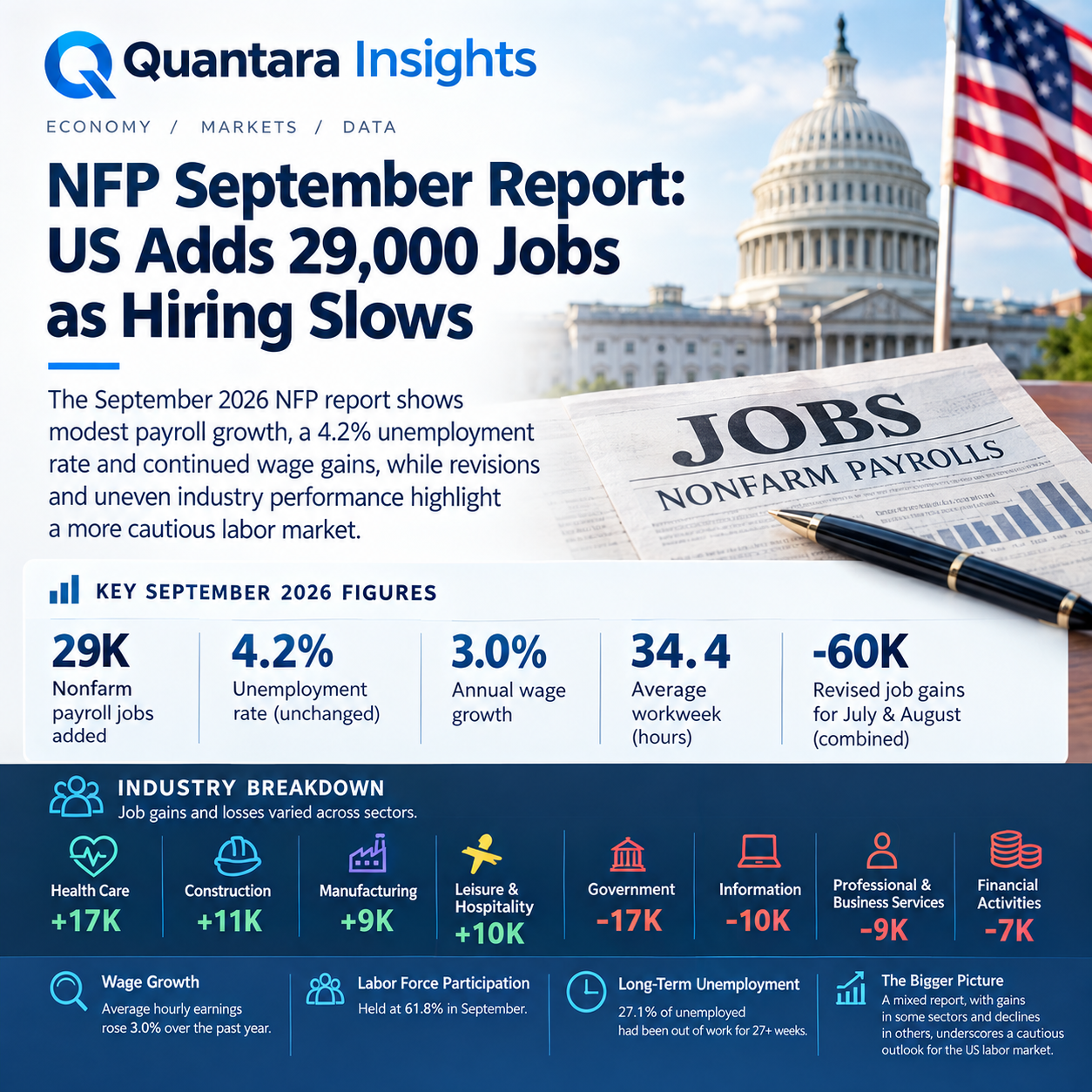
The latest US Nonfarm Payrolls report reinforced labor market resilience.
The US economy added 115k jobs while unemployment remained stable at 4.3%.
Although hiring has slowed from previous peaks, labor conditions remain relatively healthy.
Strong employment continues supporting:
- Consumer spending
- Retail sales
- Economic growth
However, policymakers worry that persistent wage growth combined with elevated energy prices could keep inflation sticky.
This economic report may therefore reinforce concerns that inflation risks remain embedded.

Bond Markets Prepare for Volatility
Treasury markets are preparing for substantial volatility surrounding this economic report.
Inflation surprises could drive major moves in:
- 2-year yields
- 10-year yields
- Yield curve expectations
- Rate cut pricing
Bond traders are particularly sensitive to inflation persistence because higher inflation generally leads to tighter monetary policy.
If CPI or PPI surprise to the upside, yields could rise sharply.
Stock Markets Face a Critical Test
Equity markets have remained surprisingly resilient despite inflation concerns.
Technology stocks continue benefiting from AI enthusiasm while energy shares have outperformed due to rising oil prices.
However, this economic report could become a major catalyst for market direction.
Bullish Scenario
If inflation moderates while retail sales remain healthy:
- Stocks could rally
- Rate cut expectations may increase
- Risk appetite could improve
Bearish Scenario
If inflation remains elevated:
- Bond yields may rise
- Growth stocks could weaken
- Fed hawkishness may intensify
Investors are therefore approaching this week cautiously.
Currency Markets Brace for Major Moves
FX markets are likely to react strongly to this economic report.
The US dollar remains highly sensitive to inflation expectations and Federal Reserve policy.
Key currency themes include:
- USD strength
- Yen volatility
- Chinese yuan stability
- Commodity currencies
Stronger inflation data would likely support the dollar.
Meanwhile, any hawkish surprise from the BoJ could strengthen the yen significantly.
What Investors Should Watch Closely
This economic report contains several market-defining events.
The most important include:
- US CPI
- US PPI
- US Retail Sales
- Chinese Inflation
- Trump-Xi Meeting
- BoJ Summary of Opinions
Each event could materially shift market expectations for interest rates and economic growth.
Key Risks Facing Markets
Several major risks remain elevated:
- Sticky inflation
- Geopolitical escalation
- Energy price shocks
- Slowing global growth
- Trade tensions
- Central bank policy mistakes
This economic report arrives during a highly uncertain macroeconomic environment.
That uncertainty is likely to keep volatility elevated across global asset classes.
Frequently Asked Questions
What is the most important event in this economic report?
The US CPI report is the most important event because it heavily influences Federal Reserve policy expectations and market sentiment.
Why are CPI and PPI important?
CPI measures consumer inflation while PPI tracks producer inflation. Together they provide a broad picture of inflation pressures across the economy.
Why do retail sales matter to investors?
Retail sales reveal consumer spending strength, which is critical because consumer activity drives most US economic growth.
How could the Trump-Xi meeting affect markets?
The meeting could influence trade policy, technology restrictions and geopolitical relations between the world’s two largest economies.
Why is the BoJ Summary of Opinions important?
The BoJ SOO may reveal whether Japanese policymakers are becoming more supportive of additional rate hikes.
How do energy prices impact inflation?
Higher oil and gasoline prices increase transportation and production costs, which can feed directly into CPI and PPI inflation data.
Final Thoughts
This week’s economic report may become one of the most influential macroeconomic periods of the quarter.
Markets are entering the week focused heavily on inflation, central bank policy and geopolitical risk.
US CPI, PPI and retail sales data will shape expectations for the Federal Reserve and broader market direction. Meanwhile, Chinese inflation figures and the Trump-Xi meeting could significantly impact global trade and commodity sentiment.
At the same time, investors remain highly sensitive to energy prices and geopolitical developments, particularly in the Middle East.
Ultimately, this economic report will help determine whether inflation risks are stabilizing or becoming more deeply embedded within the global economy.
With volatility likely to remain elevated, traders and investors should prepare for potentially significant moves across equities, bonds, commodities and currencies throughout the week ahead.