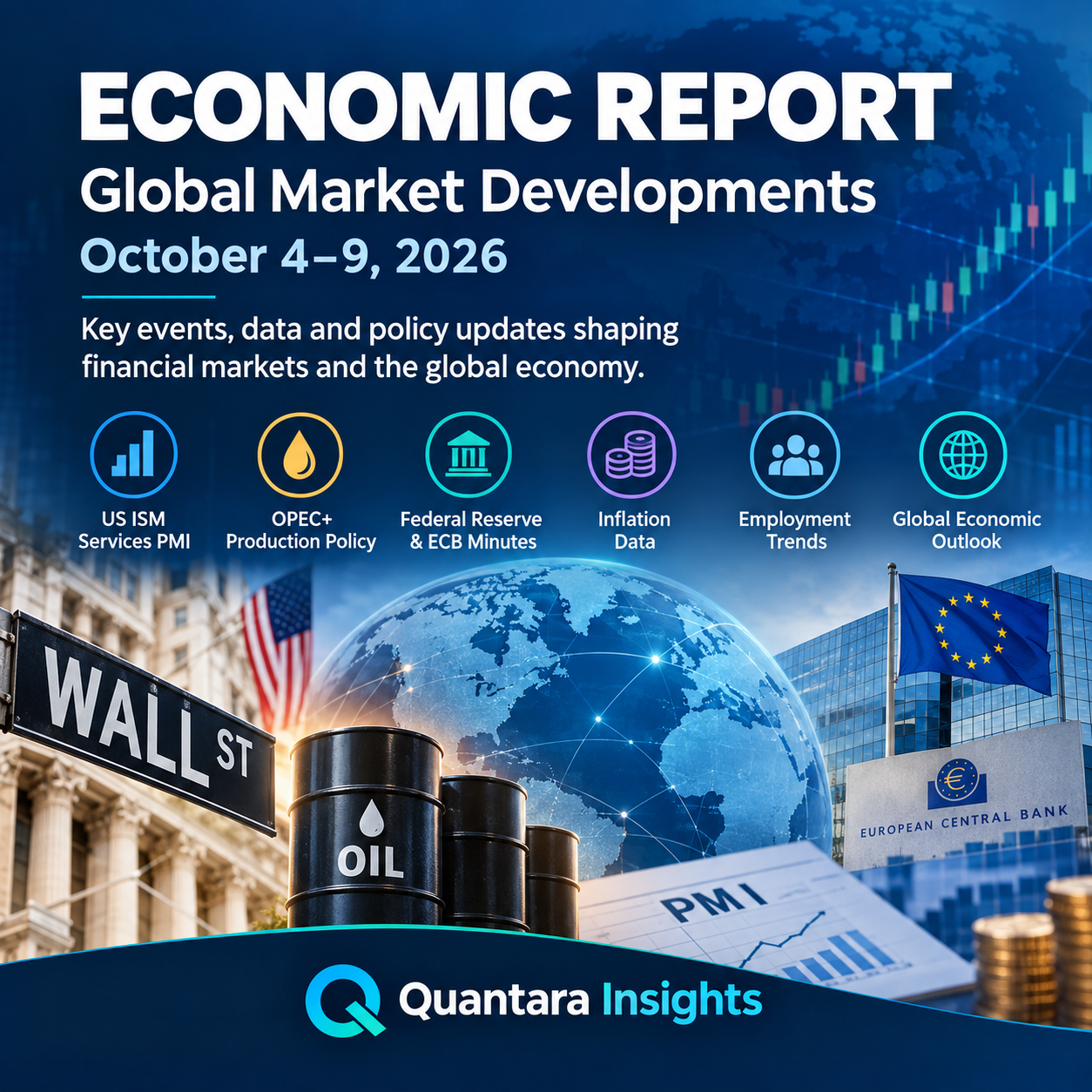

PMIs, US Retail Sales, inflation, and economic growth remain the central pillars shaping the global economic outlook, with markets closely monitoring how these indicators evolve amid geopolitical uncertainty and shifting central bank strategies. This week’s macroeconomic landscape highlights a complex interaction between slowing growth signals, persistent inflation pressures, and uneven consumer resilience.
The combination of PMIs, US Retail Sales, and inflation data offers a comprehensive snapshot of economic momentum across major economies. Together, they provide critical insights into whether global economic growth is stabilizing, slowing, or entering a more volatile phase.
🌍 Global Economic Outlook: Growth vs Inflation Pressures
The global economic outlook continues to be shaped by a fragile balance between inflation and economic growth. While inflationary pressures remain elevated due to energy shocks and supply constraints, growth signals have become increasingly uneven across regions.
PMIs are particularly important in this context, as they act as forward-looking indicators of business activity. A decline in PMIs typically signals slowing economic growth, while improvements suggest expanding output. Current expectations suggest that global PMIs may continue to reflect subdued growth, especially in manufacturing sectors.
At the same time, inflation remains a dominant concern. Rising energy prices and geopolitical tensions have kept headline inflation elevated, even as core inflation shows signs of stabilization in some economies. This divergence complicates policy decisions for central banks, which must balance the risk of tightening too aggressively against the need to control inflation.
📊 PMIs: The Leading Indicator of Economic Growth
PMIs are among the most closely watched indicators in assessing the health of the global economy. They provide real-time insights into manufacturing and services activity, offering early signals about economic growth trends.
Recent trends suggest that PMIs are reflecting:
- Slower manufacturing output due to weaker global demand
- Persistent cost pressures linked to inflation
- Gradual resilience in services sectors
The importance of PMIs lies in their predictive power. When PMIs fall below key thresholds, they often signal contraction, raising concerns about broader economic growth. Conversely, stable or improving PMIs can indicate that economic conditions are stabilizing.
In the current environment, PMIs are expected to show mixed signals across regions. Some economies may demonstrate resilience due to strong domestic demand, while others may struggle under the weight of high inflation and external shocks.

🛒 US Retail Sales: The Consumer Strength Test
US Retail Sales play a crucial role in determining the strength of the global economy, as consumer spending accounts for a significant portion of economic activity. Strong US Retail Sales data typically signals robust economic growth, while weaker figures may indicate slowing demand.
Recent data suggests that US Retail Sales remain relatively resilient, supported by:
- Strong labor market conditions
- Higher-income consumer spending
- Temporary boosts from fiscal factors
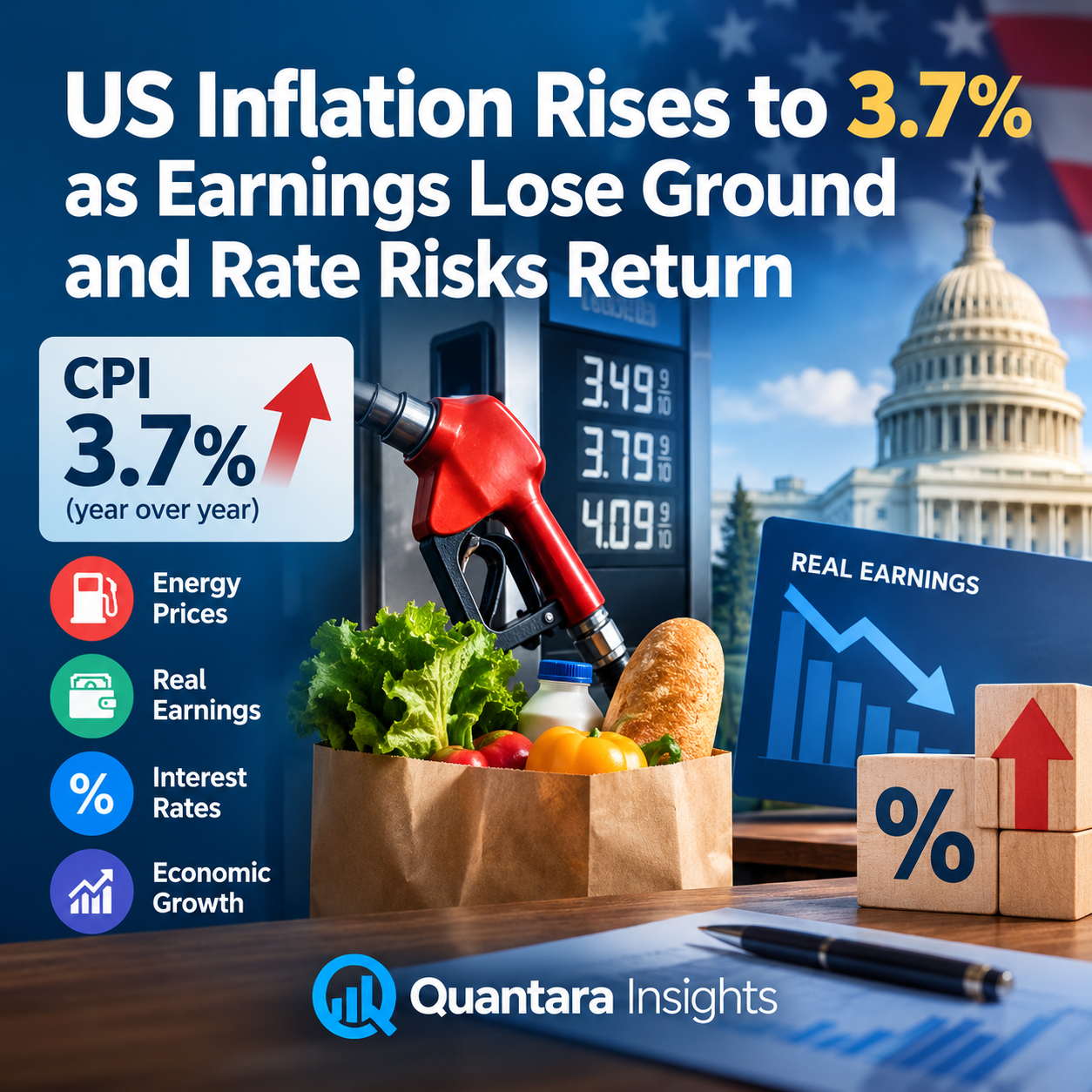
However, the underlying picture is more nuanced. While headline US Retail Sales figures may appear strong, much of the growth is influenced by rising prices rather than increased volume. This highlights the impact of inflation on consumer behavior.
Another key trend is the divergence in spending patterns. Higher-income households continue to drive consumption, while lower-income groups face increasing pressure from inflation, particularly in essential categories such as energy and food.
This uneven distribution of spending power creates a more complex outlook for economic growth, as consumer resilience may not be sustainable over the long term.
📉 Inflation Trends: Persistent but Evolving
Inflation remains one of the most critical factors influencing the global economic outlook. Despite some signs of moderation, inflation pressures continue to persist due to several key drivers:
- Elevated energy prices
- Supply chain disruptions
- Wage pressures in tight labor markets
Central banks are closely monitoring inflation data to determine the appropriate policy response. While some policymakers have adopted a wait-and-see approach, others are signaling the possibility of further tightening if inflation remains elevated.
One important development is the distinction between headline and core inflation. Headline inflation has been more volatile due to energy prices, while core inflation provides a clearer picture of underlying price pressures.
The interaction between inflation and economic growth is particularly important. High inflation can erode purchasing power and reduce consumer spending, ultimately slowing economic growth. At the same time, efforts to control inflation through higher interest rates can also dampen growth.
🇺🇸 Policy Focus: Central Banks and Economic Growth
Central banks remain at the center of the global economic outlook, as they attempt to navigate the complex relationship between inflation and economic growth.
Key themes shaping policy decisions include:
- The persistence of inflation
- The strength of economic growth indicators such as PMIs and US Retail Sales
- The impact of geopolitical risks on global markets
Policymakers are increasingly focused on maintaining flexibility, as uncertainty remains high. The evolving economic landscape means that decisions will likely be data-dependent, with PMIs, US Retail Sales, and inflation data playing a crucial role in shaping policy direction.
🌐 Regional Highlights: Diverging Growth Patterns
The global economic outlook is characterized by significant regional divergence, with different economies facing unique challenges and opportunities.
Europe
European economies are experiencing slower economic growth, with PMIs indicating weakness in manufacturing. Inflation remains a key concern, particularly due to energy costs.
United Kingdom
The UK faces a combination of rising inflation and slowing economic growth, creating a challenging environment for policymakers.
Asia-Pacific
In Asia, economic growth remains mixed. Some economies show resilience, while others face headwinds from weaker global demand and inflation pressures.
North America
The US continues to demonstrate relative strength, supported by US Retail Sales and labor market resilience. However, inflation remains a significant risk.
⚠️ Geopolitical Risks and Market Impact
Geopolitical developments continue to play a major role in shaping the global economic outlook. These risks influence:
- Energy prices and inflation
- Trade flows and supply chains
- Investor sentiment and financial markets
Uncertainty in global markets can amplify volatility, making it more difficult for businesses and policymakers to plan effectively. As a result, PMIs and US Retail Sales data become even more important in assessing real-time economic conditions.
📈 Market Implications: What Investors Should Watch
For investors, the interaction between PMIs, US Retail Sales, inflation, and economic growth provides critical insights into market direction.
Key indicators to monitor include:
- Changes in PMIs as signals of growth momentum
- Trends in US Retail Sales as a measure of consumer strength
- Inflation data for policy implications
Markets are likely to remain sensitive to these indicators, with volatility driven by shifts in expectations around economic growth and inflation.
🔍 Outlook: Balancing Growth and Inflation
Looking ahead, the global economic outlook will depend on how effectively economies can balance inflation and economic growth.
Potential scenarios include:
- Stabilization in PMIs indicating steady growth
- Persistent inflation requiring further policy tightening
- Slowing US Retail Sales signaling weakening demand
The interplay between these factors will determine whether the global economy can achieve a soft landing or faces more significant challenges.
🧠 Final Thoughts
PMIs, US Retail Sales, inflation, and economic growth will remain at the forefront of the global economic outlook. These indicators provide essential insights into the health of the economy and the direction of future policy decisions.
As uncertainty persists, markets will continue to rely on incoming data to assess the balance between growth and inflation. The coming period will be critical in determining whether economic conditions stabilize or deteriorate further.