






🧭 Introduction to the Economic Report
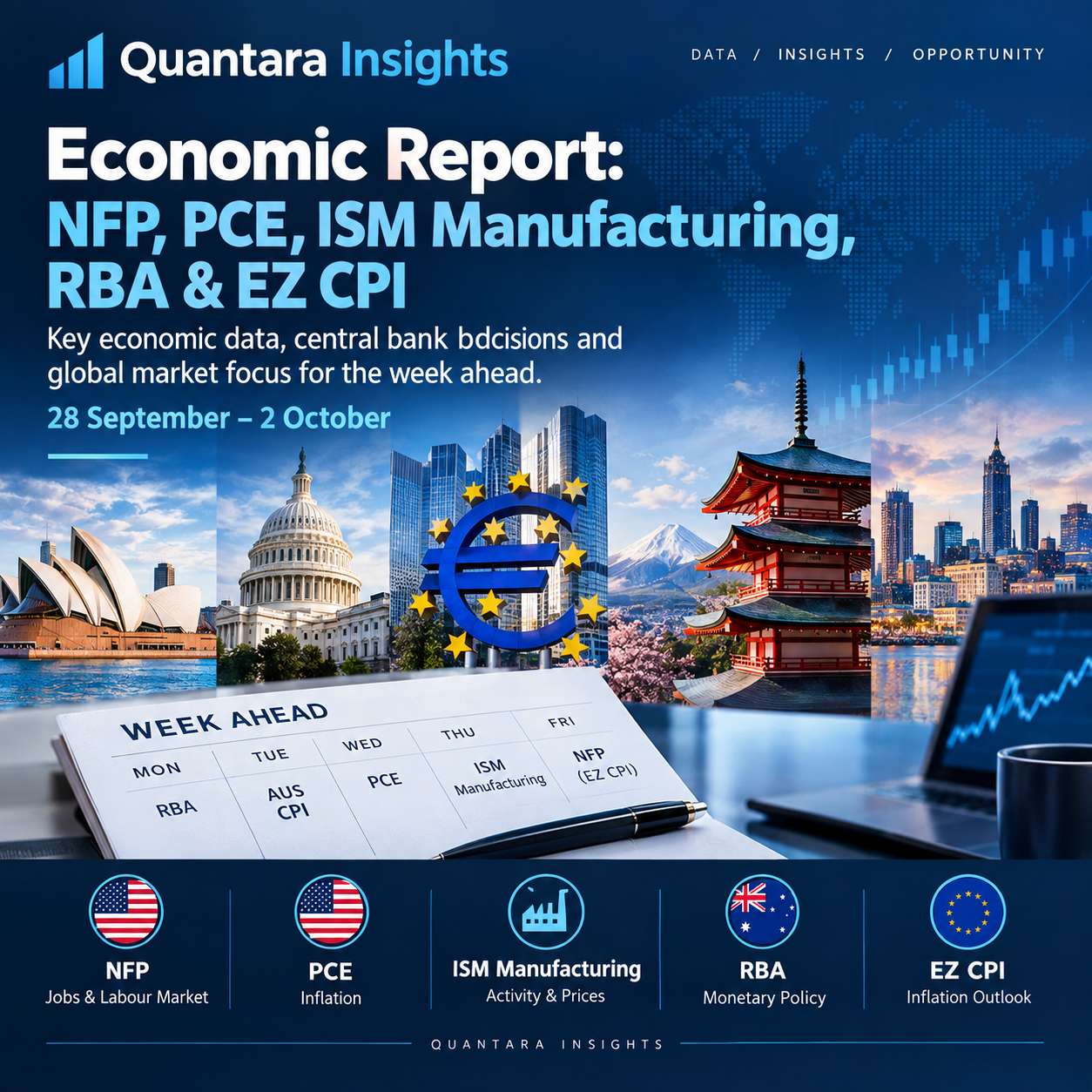
Economic report analysis for the week of May 3rd to 8th provides a structured overview of key macroeconomic developments, including NFP, ISM Services, PMI, and global jobs data. These indicators are closely monitored by market participants because they help assess economic momentum, inflation pressures, and potential central bank actions.
At the start of this economic report, it is important to note that current market conditions are shaped by a combination of economic data and geopolitical developments. Energy market volatility, policy uncertainty, and shifts in labour market trends all contribute to a more complex outlook.
This economic report is designed to present the week’s key events in a clear and balanced way, helping readers understand both the data and its broader implications.
🌍 Overview of the Week in This Economic Report
This economic report includes several high-impact releases and policy decisions across major economies. The key highlights include:
- US NFP and broader jobs data
- US ISM Services and global PMI readings
- Central bank decisions, including the RBA
- Inflation updates across multiple regions
- Ongoing developments in energy markets
Each of these components plays a role in shaping expectations for economic growth and financial market performance. The economic report emphasizes that while individual data points are important, it is the combination of these indicators that provides a more complete picture.

🛢️ OPEC+ and Energy Market Developments
Energy markets remain a central theme in this economic report, particularly with the OPEC+ meeting scheduled at the beginning of the week. Recent structural changes within the group have introduced some uncertainty, but the overall expectation is for a modest increase in output.
Despite this, actual supply conditions remain constrained due to logistical and geopolitical factors. This means that any production adjustments may have limited immediate impact on global supply levels.
From the perspective of this economic report, energy prices are significant because they influence inflation, consumer spending, and production costs. As such, developments in this area are closely linked to other data points such as PMI and jobs trends.
RBA Policy Decision and Its Implications
The Reserve Bank of Australia (RBA) policy announcement is one of the key central bank events in this economic report. Market expectations suggest a possible rate increase, reflecting ongoing concerns about inflation.
Key considerations include:
- Persistent inflation above target
- Tight labour market conditions
- Stronger-than-expected economic activity
However, policymakers must also weigh external risks, including energy price shocks and global uncertainty. This economic report highlights that central banks are increasingly balancing inflation control with the need to support economic stability.
ISM Services PMI and the Services Sector Outlook
The ISM Services release provides insight into the health of the US services sector, which represents a large portion of economic activity. In this economic report, recent PMI data indicates modest expansion but at a slower pace than earlier periods.
Key observations include:
- Limited growth in new business activity
- Increased cost pressures
- Stable but subdued employment trends
The economic report suggests that while the services sector continues to expand, the pace of growth is moderate. This aligns with broader trends indicating a gradual cooling rather than a sharp slowdown.
📈 NFP and US Jobs Data Analysis
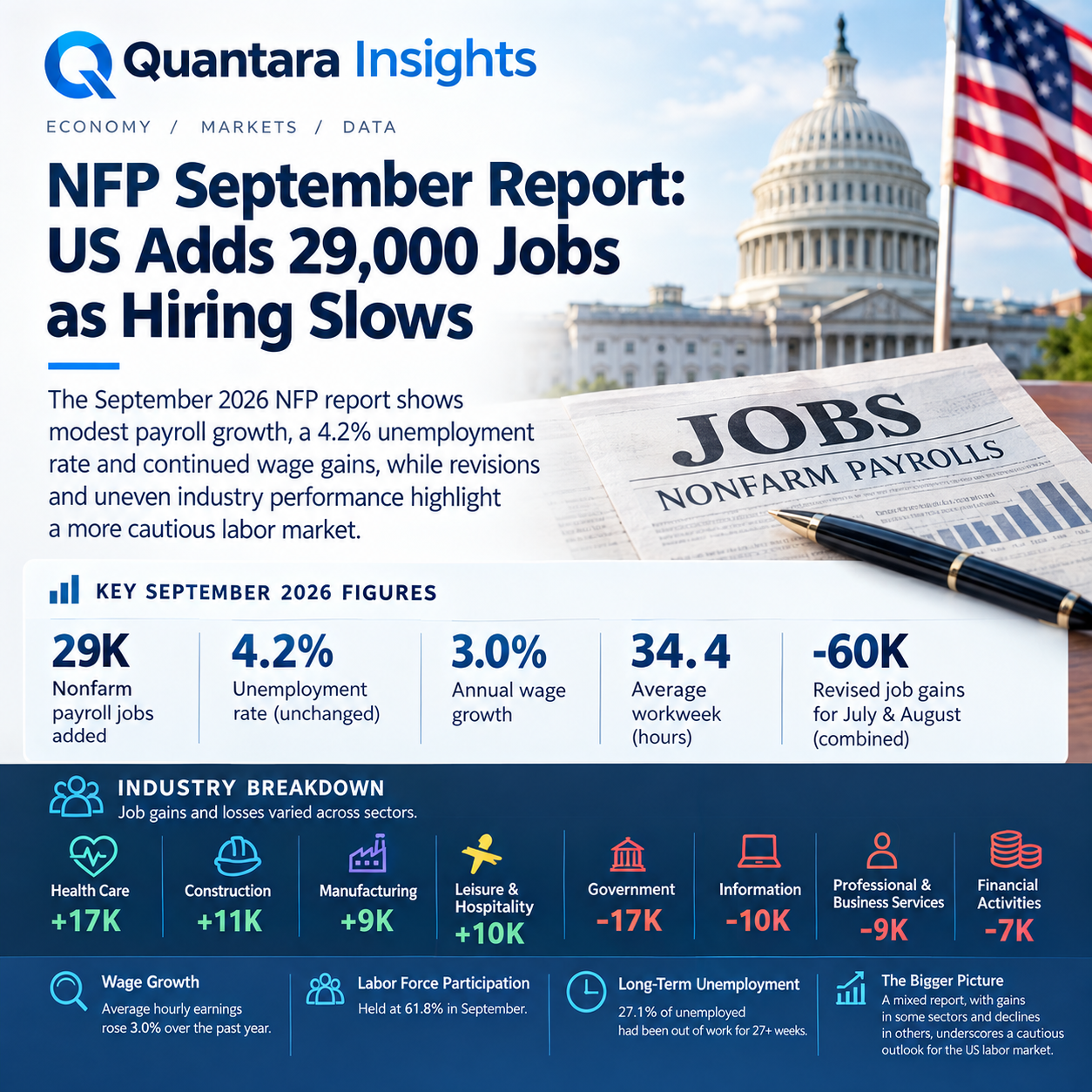
A major focus of this economic report is the US NFP release, which provides a detailed view of employment trends. Current expectations point to slower job growth compared to previous months.
Key Metrics in Focus
- Expected job creation: approximately 73,000
- Unemployment rate: around 4.3%
- Wage growth: modest increases
This economic report notes that the jobs market remains relatively stable but is showing signs of reduced momentum. Hiring activity has slowed, and businesses appear to be more cautious in their workforce decisions.
Labour Market Trends
Recent data suggests:
- Lower hiring rates
- Reduced labour force participation in some areas
- Continued wage growth, though at a slower pace
The economic report emphasizes that these trends are consistent with a maturing economic cycle.
Canadian Jobs Report and Economic Conditions
The Canadian jobs report is another important component of this economic report. Labour market conditions have softened, with slower employment growth and steady unemployment levels.
Factors influencing the outlook include:
- External trade pressures
- Energy price fluctuations
- Changes in domestic demand
This economic report highlights that while the Canadian economy remains stable, there are early signs of slack in the labour market.
🏦 Global Central Bank Policy Trends
Central bank activity is a recurring theme in this economic report, with several institutions making policy decisions during the week.
Key Developments
- Norges Bank may consider tightening due to inflation
- Riksbank is expected to hold rates steady
- Banxico continues gradual policy adjustments
The economic report indicates that while inflation remains a concern globally, central banks are taking a cautious and data-dependent approach.
📊 Global PMI Data and Growth Indicators
PMI data provides insight into business activity across both manufacturing and services sectors. In this economic report, the latest readings suggest:
- Continued expansion, though at a slower pace
- Weak demand in certain regions
- Persistent cost pressures
The economic report notes that these trends reflect a global economy that is growing, but unevenly.
📉 US Treasury and Financial Conditions
The US Treasury’s financing and refunding announcements are also covered in this economic report. These updates provide insight into government borrowing and market liquidity.
Key points include:
- Stable issuance expectations
- Continued focus on maintaining liquidity
- Long-term considerations related to monetary policy
This economic report highlights that while these developments may not have immediate market impact, they are important for understanding broader financial conditions.
🌐 Broader Economic Themes in This Economic Report
Several broader themes emerge from this economic report:
1. Moderating Growth
Economic activity continues to expand, but at a slower pace.
2. Labour Market Adjustment
The jobs market remains stable but is gradually cooling.
3. Inflation Pressures
Energy prices and cost increases continue to influence inflation.
4. Policy Uncertainty
Central banks are navigating a complex environment with limited visibility.
These themes provide context for interpreting the week’s data.

❓ Frequently Asked Questions (FAQs)
1. What is an economic report?
An economic report provides data and analysis on key indicators such as growth, inflation, and employment.
2. Why is NFP important in an economic report?
NFP is a key measure of US employment and provides insight into economic strength.
3. What does ISM Services indicate?
ISM Services reflects activity in the services sector, including demand and employment.
4. How does PMI affect markets?
PMI data helps determine whether economic sectors are expanding or contracting.
5. What can jobs data tell us?
Jobs data shows trends in employment, wages, and labour market conditions.
6. Why are central bank decisions important?
They influence interest rates, inflation, and overall economic stability.
🧾 Conclusion
This economic report provides a comprehensive overview of the key events for the week, including NFP, ISM Services, PMI, and global jobs data. While economic conditions remain stable, there are clear signs of moderation in growth and labour market activity.
The economic report concludes that upcoming data releases will be important in shaping expectations for policy and market direction. By monitoring these indicators, market participants can better understand the evolving economic landscape.