






Introduction
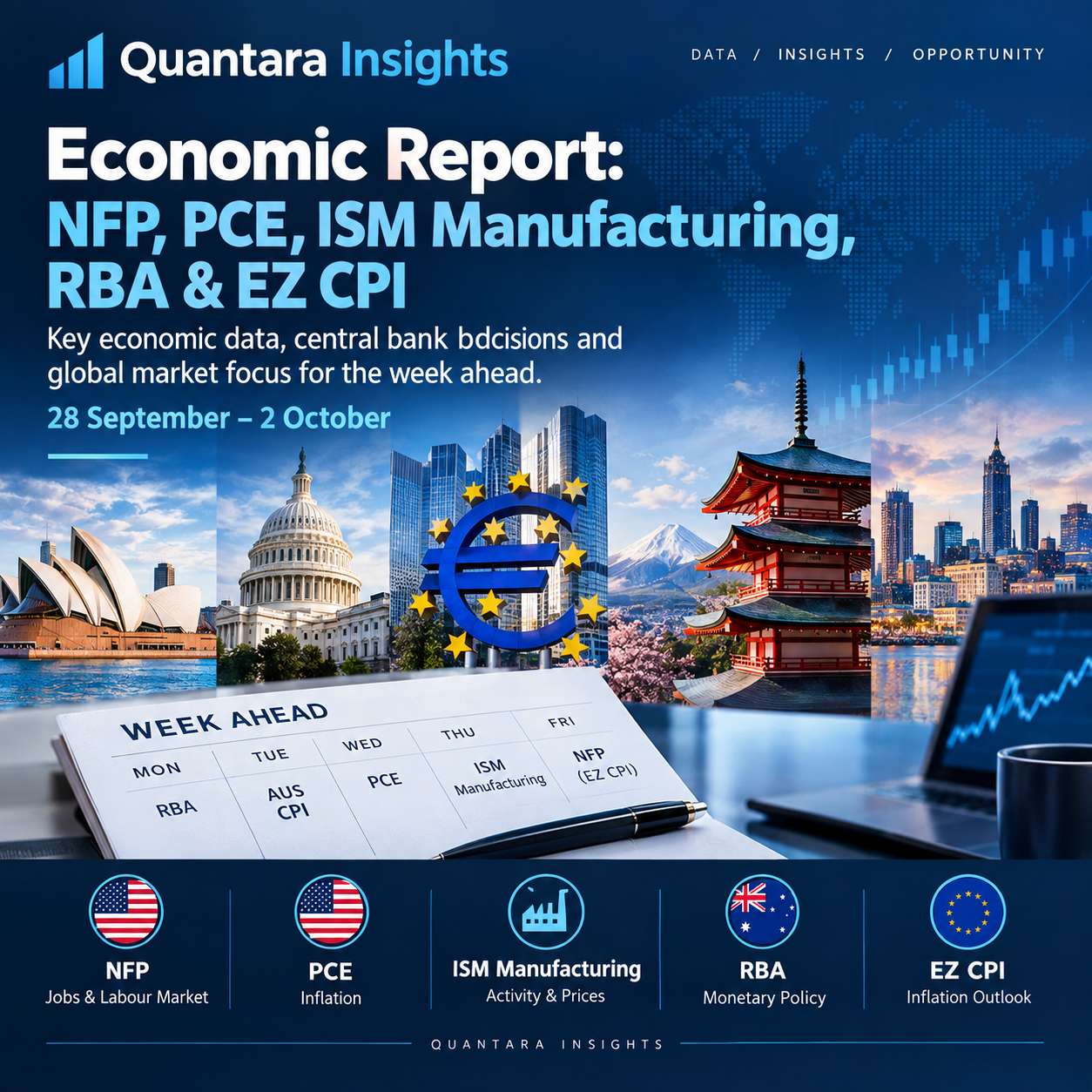
The Economic Report this week focuses on major global indicators shaping financial markets, particularly US CPI, US PCE, global inflation signals, and economic data from China, the United Kingdom, and emerging markets. Investors and policymakers closely monitor these indicators because they provide insight into the broader global economic outlook and potential shifts in monetary policy.
Inflation trends remain the central theme in this Economic Report, as central banks worldwide attempt to balance slowing growth with persistent price pressures. The upcoming releases of US CPI and US PCE data will be especially critical in determining the direction of the Federal Reserve’s policy path.
At the same time, economic data from China—including inflation and trade figures—will offer important clues about demand conditions in the world’s second-largest economy. Meanwhile, the United Kingdom’s GDP data will help assess whether the British economy can maintain momentum amid global uncertainty.
Overall, this Economic Report highlights the key economic releases and geopolitical developments that could influence markets, currencies, commodities, and global investment sentiment in the coming weeks.
Global Economic Outlook
The global economic outlook remains mixed as policymakers grapple with slowing growth and stubborn inflation. Many advanced economies experienced aggressive monetary tightening over the past two years, and the effects are now filtering through economic activity.
This Economic Report highlights how inflation dynamics differ across regions. While inflation in some developed economies has moderated, price pressures remain elevated relative to central bank targets. At the same time, emerging markets face additional challenges from currency volatility and external demand fluctuations.
Global trade growth has slowed compared to the rapid expansion seen in the years immediately following the pandemic. Manufacturing output in several economies has softened, while services sectors continue to show resilience. As a result, the trajectory of inflation will remain a dominant factor influencing global monetary policy.
China Inflation Outlook
China will release new inflation data this week, which will provide important signals for global markets. Analysts expect relatively subdued price growth due to moderate domestic demand and ongoing adjustments in the property sector.
This Economic Report notes that China’s inflation environment differs from that of Western economies. While many developed markets struggle with persistent inflation, China has experienced relatively muted price increases.
The upcoming data will indicate whether domestic consumption is strengthening or whether deflationary pressures remain. For global investors, China’s price trends influence commodity demand, supply chain costs, and broader Asian economic performance.
China Trade Balance
Another key highlight in this Economic Report is China’s trade balance data. Trade figures offer valuable insights into the health of global demand and manufacturing supply chains.
Exports from China are often viewed as a barometer of worldwide consumption. Strong export growth would suggest resilient global demand, while weaker numbers could reflect slowing economic momentum in major markets such as the United States and Europe.
Imports are equally important. Rising imports may indicate improving domestic demand in China, while declining imports could signal caution among consumers and businesses.
Given China’s central role in global manufacturing, the trade balance figures will influence expectations for global commodity prices and supply chain stability.

US CPI Inflation Outlook
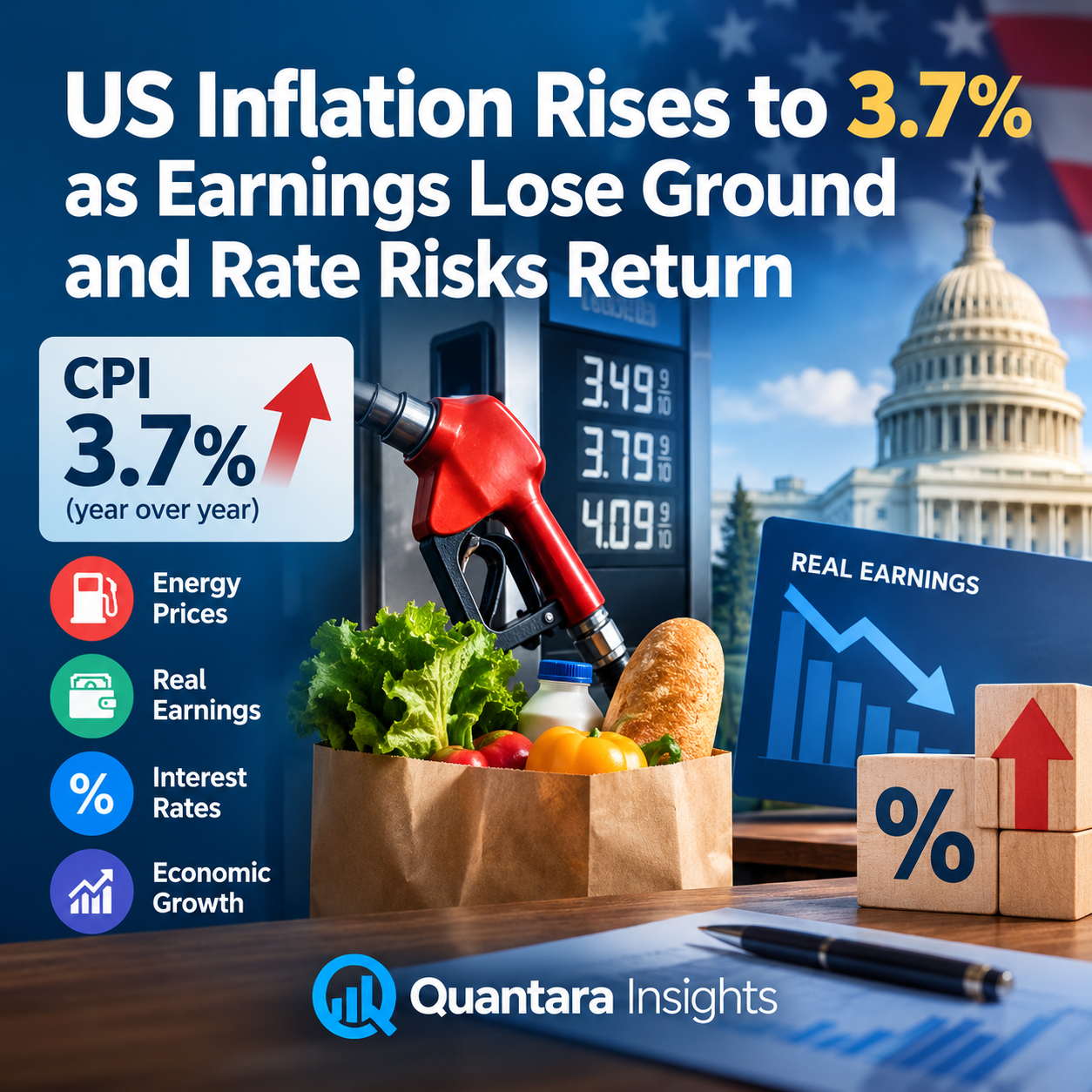
One of the most closely watched releases in this Economic Report is the upcoming US CPI report. The US CPI measures consumer price inflation and serves as a key indicator of the cost of living in the United States.
Economists will analyze the US CPI data carefully to determine whether inflation pressures continue to ease. A lower-than-expected US CPI reading could reinforce expectations that inflation is gradually moving toward the Federal Reserve’s target.
However, if the US CPI report shows persistent price increases, it may signal that inflation remains entrenched. In that case, the Federal Reserve could maintain a cautious approach toward interest rate cuts.
The direction of US CPI inflation will have significant implications for financial markets, including bond yields, stock valuations, and currency movements.
Federal Reserve Policy Implications
This Economic Report emphasizes the importance of inflation indicators in shaping Federal Reserve policy. The central bank has consistently stated that it will rely on incoming data before adjusting interest rates.
Both US CPI and US PCE play a major role in the Fed’s decision-making process. While US CPI provides a broad measure of consumer prices, US PCE is the Federal Reserve’s preferred inflation gauge.
If inflation continues to decline, policymakers may gain confidence that restrictive policy is working. However, if inflation remains elevated, the Federal Reserve may keep interest rates higher for longer.
Turkey Central Bank Policy Outlook
Another element in this Economic Report is the policy outlook for emerging markets, including Turkey. The Central Bank of the Republic of Turkey (CBRT) has pursued aggressive interest rate hikes to combat high inflation.
Turkey’s inflation rate has been among the highest globally, prompting the central bank to implement tight monetary policy. Investors will be watching closely for signals regarding the future path of interest rates and economic stabilization efforts.
UK GDP Growth Outlook
The United Kingdom will also release GDP figures this week, offering an update on the country’s economic performance. The data will show whether the British economy is expanding or experiencing stagnation.
In this Economic Report, analysts highlight that the UK economy faces several headwinds, including higher borrowing costs and persistent inflation. These factors have weighed on consumer spending and business investment.
However, stronger-than-expected GDP growth could indicate resilience despite these challenges.
US PCE Inflation Data
Another critical indicator in this Economic Report is US PCE, which measures personal consumption expenditures. US PCE is widely considered the Federal Reserve’s preferred measure of inflation.
The upcoming US PCE release will provide additional confirmation about inflation trends in the United States. Economists will compare US PCE data with US CPI results to determine whether price pressures are broadly easing.
A lower US PCE reading could strengthen expectations for potential interest rate cuts later in the year. Conversely, stronger US PCE inflation could delay monetary easing.
Because US PCE captures a broader range of consumer expenditures, it often provides a more comprehensive view of price dynamics than US CPI.
Geopolitical Risks and Economic Stability
This Economic Report also examines the role of geopolitical developments in shaping the global economic outlook. Conflicts, trade tensions, and political uncertainty can significantly influence economic performance.
Energy markets are particularly sensitive to geopolitical risks. Supply disruptions can lead to higher oil prices, which in turn contribute to inflation pressures across many economies.
Financial markets also respond quickly to geopolitical news, affecting investor sentiment and capital flows.
OPEC and Oil Market Outlook
Oil production policies from the Organization of the Petroleum Exporting Countries (OPEC) remain a key factor in global inflation dynamics.
If OPEC maintains production cuts, oil prices could remain elevated. Higher energy costs typically feed into consumer prices, contributing to broader inflation pressures.
This Economic Report highlights how energy price movements can affect transportation costs, manufacturing expenses, and consumer spending worldwide.
US Labor Market Conditions
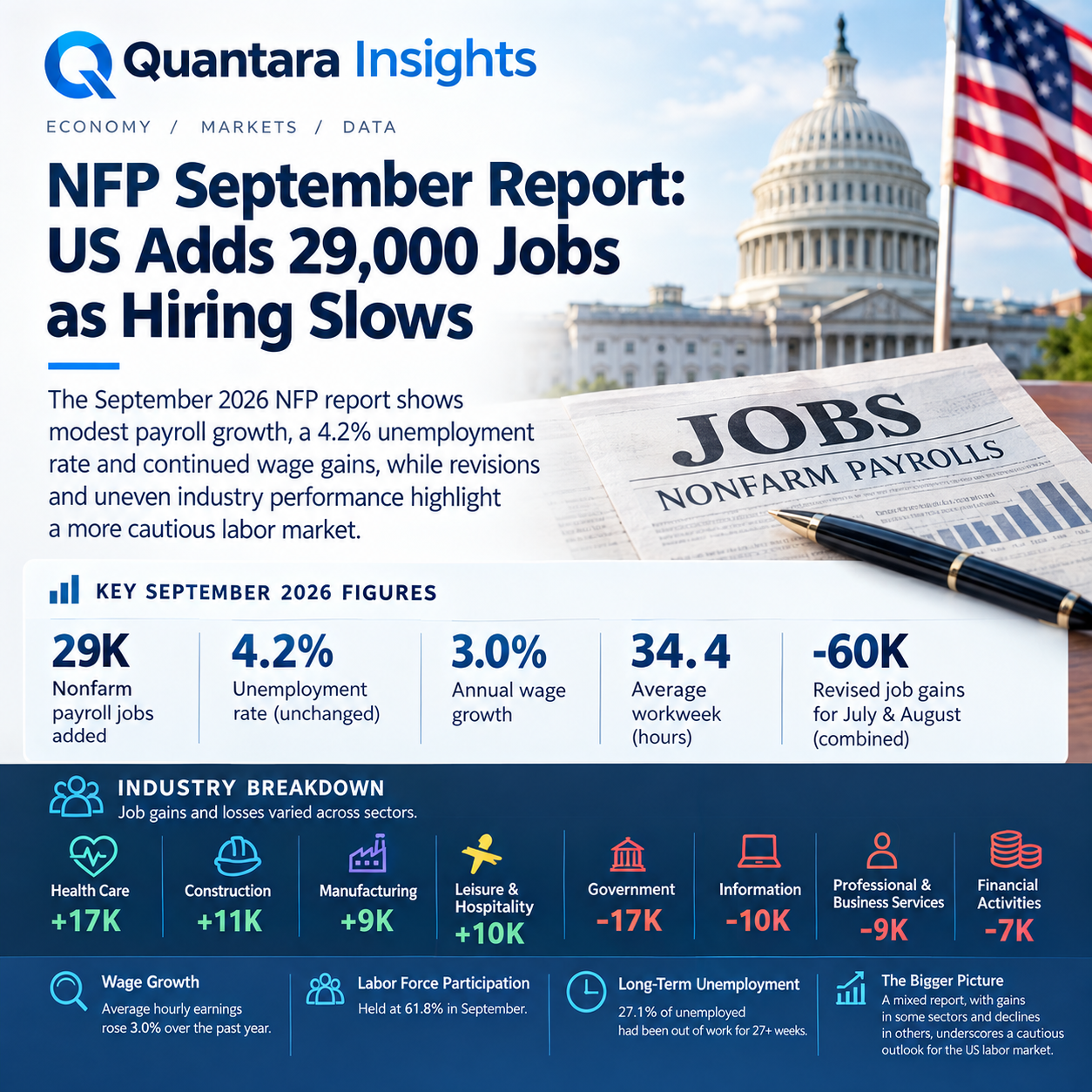
Labor market conditions in the United States remain relatively strong. Employment growth has supported consumer spending, which is a major driver of economic activity.
However, strong labor markets can also contribute to inflation if wage growth accelerates faster than productivity. Policymakers therefore monitor employment data alongside US CPI and US PCE to assess inflation risks.
Retail Spending Trends
Consumer spending is another important theme in this Economic Report. Retail sales data provide insight into household confidence and purchasing power.
If consumers continue to spend despite higher interest rates, economic growth may remain stable. However, declining retail sales could signal weakening demand and slower growth.
Manufacturing and Services Activity
Global manufacturing activity has shown mixed performance in recent months. Some regions have experienced slowing industrial output due to weaker demand.
Meanwhile, services sectors in many economies continue to expand, supported by travel, entertainment, and hospitality spending.
These contrasting trends shape the broader global economic outlook presented in this Economic Report.
Asia-Pacific Economic Outlook
The Asia-Pacific region plays a crucial role in global trade and economic growth. Economic developments in China, Japan, South Korea, and Southeast Asia have significant implications for global markets.
Stronger growth in Asia could support commodity demand and boost global trade volumes.
European Inflation Outlook
Inflation trends in Europe remain closely monitored by investors and policymakers. The European Central Bank has also implemented tight monetary policy to bring inflation back toward its target.
This Economic Report suggests that declining energy prices and improving supply chains could help reduce inflation pressures across the euro area.
Central Bank Policy Outlook
Central banks worldwide face similar challenges: balancing inflation control with economic growth.
If inflation continues to moderate, many central banks may consider easing monetary policy. However, persistent price pressures could delay such moves.
Both US CPI and US PCE data will therefore play a major role in shaping expectations for global interest rates.

Market Implications
Financial markets closely track the indicators highlighted in this Economic Report. Bond yields, equity markets, and currency valuations often respond immediately to economic data releases.
Lower inflation readings typically support stock markets and lower bond yields, while higher inflation can trigger volatility.
Investors will therefore watch upcoming data closely to gauge potential market movements.
Conclusion
This Economic Report highlights a critical week for global economic data. Key indicators—including US CPI, US PCE, China inflation, and UK GDP—will provide important insights into the trajectory of inflation and economic growth.
As central banks remain focused on controlling inflation, upcoming data releases will help determine the future path of monetary policy.
Ultimately, the combination of inflation data, geopolitical developments, and economic indicators will shape the global economic outlook for the months ahead.