
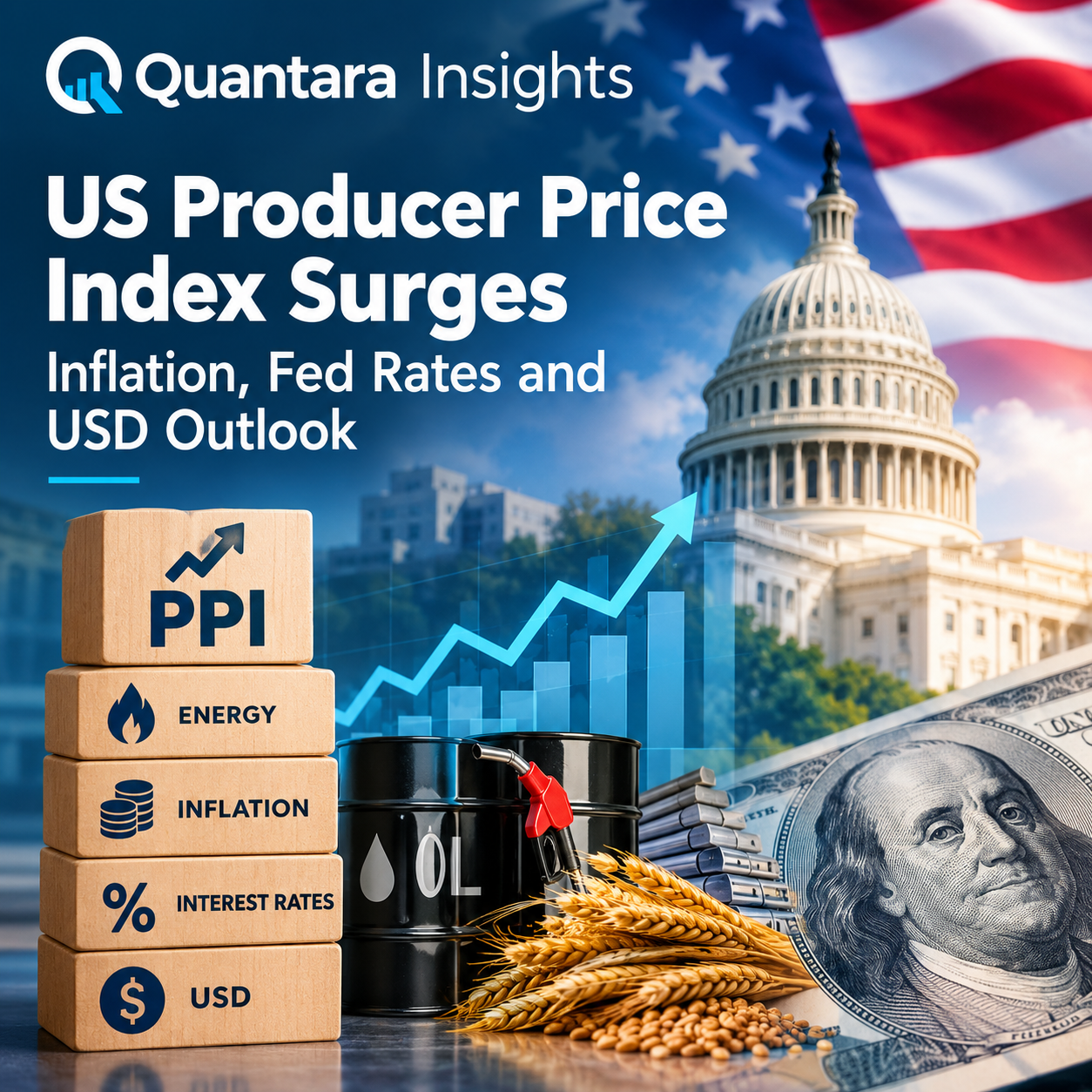
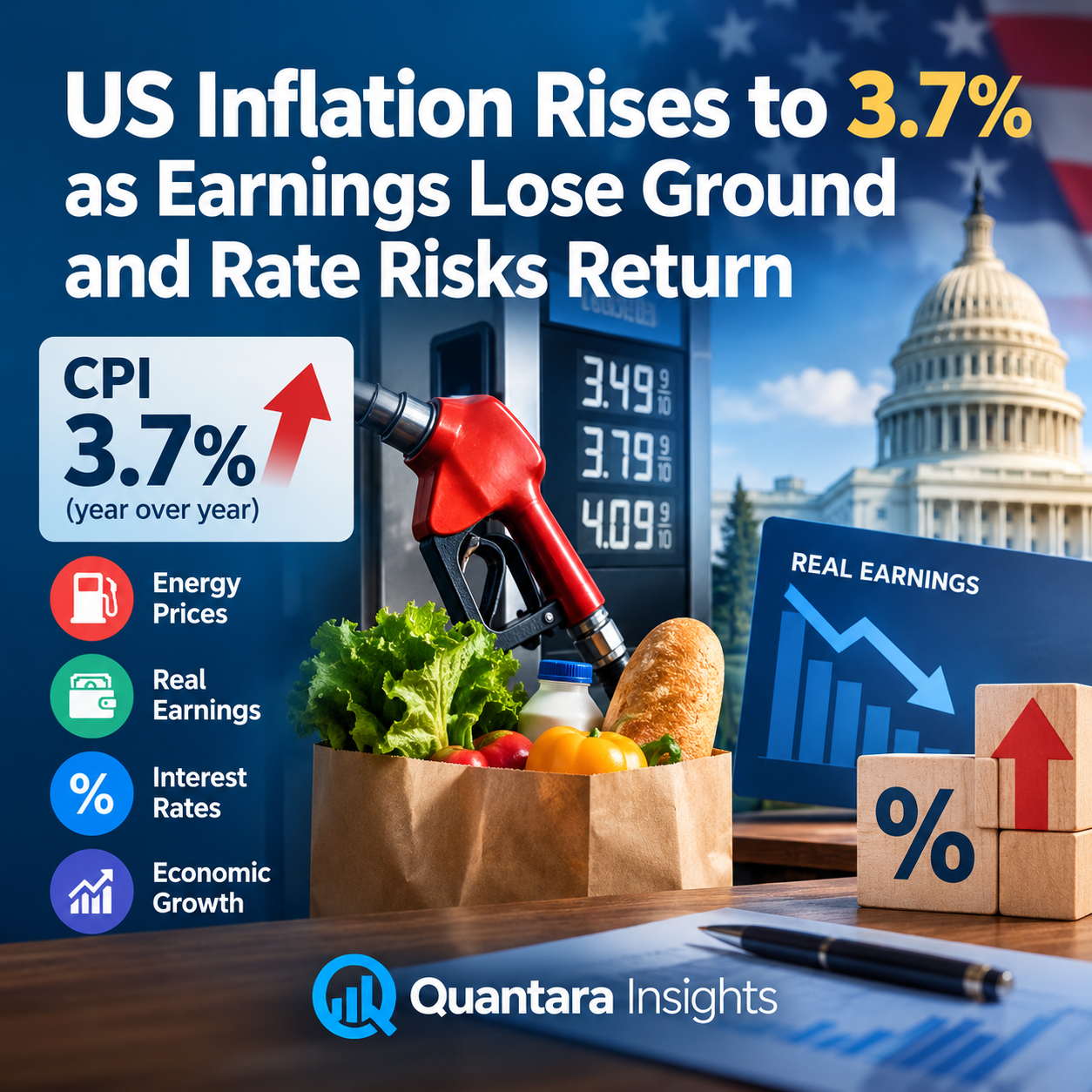



December PPI inflation came in significantly hotter than expected, underscoring persistent price pressures at the producer level and complicating the Federal Reserve’s path toward easing monetary policy. The upside surprise triggered an immediate market reaction, with Treasury yields jumping and optimism for early rate cuts fading.
Producer Prices Exceed Forecasts

The US Producer Price Index (PPI) for final demand rose 3.0% year-over-year, beating the 2.7% consensus forecast. On a monthly basis, prices climbed 0.5%, more than double expectations of 0.2%.
More troubling for policymakers, Core PPI, which strips out food and energy, accelerated to 3.3% annually and surged 0.7% month-over-month, signaling that underlying inflation pressures remain firmly embedded.
Market Reaction and Federal Reserve Context
The hotter-than-expected December PPI inflation report sparked a swift hawkish repricing across markets. The US dollar strengthened, Treasury yields climbed sharply, while equities and precious metals retreated.
Investors remain highly sensitive to signs that inflation’s “last mile” may prove more stubborn than anticipated. The data arrives just ahead of the December employment report and the Fed’s preferred inflation gauge, Core PCE.

Fed Chair Jerome Powell has recently indicated that December Core PCE could come in near 3.0%, but the strength in producer prices suggests upstream cost pressures have yet to fully dissipate. Analysts note that the report aligns with the Fed’s more cautious outlook, which currently projects just one rate cut in 2026.
Services Drive the Inflation Surge
According to the Bureau of Labor Statistics, the December increase was driven almost entirely by a 0.7% jump in final demand services, reinforcing the view that inflation pressures are now concentrated in the services sector.
Prices for final demand goods were unchanged for the month, highlighting a growing divergence between goods disinflation and persistent services inflation—an area of particular concern for the Federal Reserve.
Outlook: Patience Remains the Fed’s Strategy
Despite the strong PPI inflation report, markets are still pricing in approximately 52 basis points of rate cuts by year-end, with expectations only modestly adjusted following the release.
The prevailing consensus is that one hot PPI print alone is unlikely to derail the Fed’s broader strategy. However, it clearly reinforces the central bank’s patient stance, suggesting policymakers will require sustained evidence of cooling—especially in labor markets and core services—before shifting toward an easing cycle.
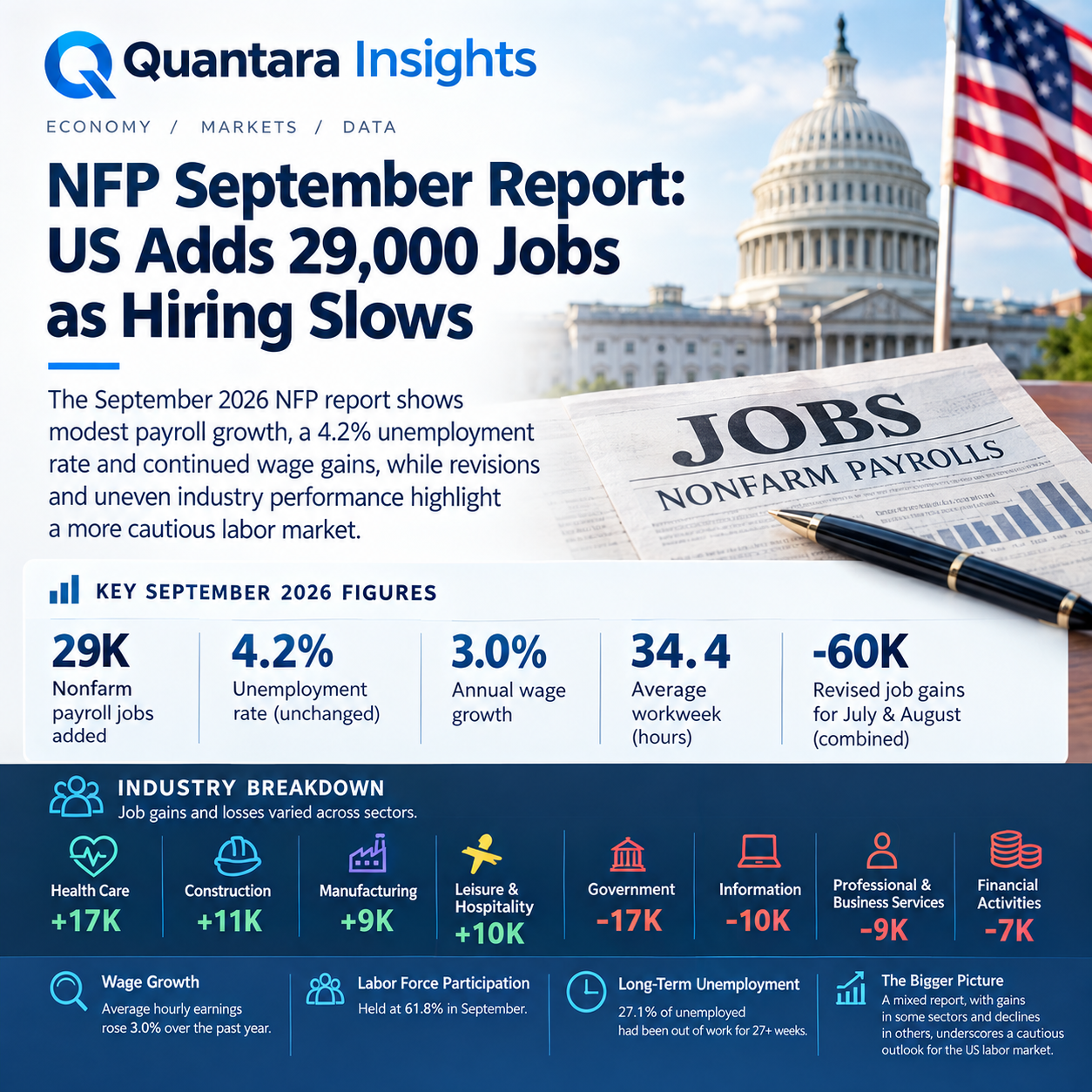
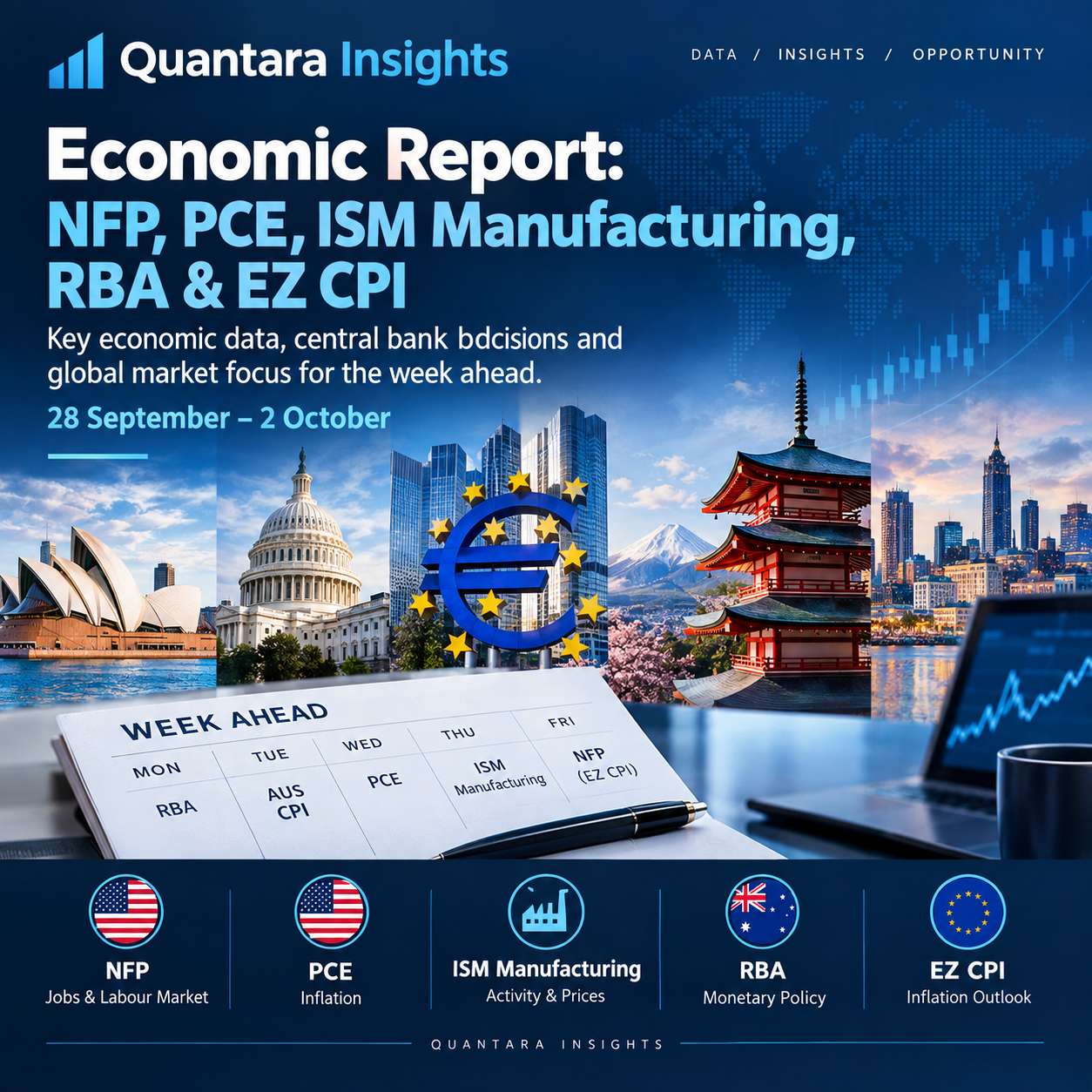
Attention now turns to upcoming Non-Farm Payrolls and PCE inflation data, which will be closely scrutinized for confirmation of whether December’s producer-side inflation is filtering into the broader economy.

Bottom Line
The latest December PPI inflation data serves as a reminder that inflation risks remain asymmetric. While disinflation has made progress, services-driven price pressures continue to challenge the Federal Reserve’s confidence in cutting rates anytime soon.